

Alcohol at Christmas: what CGM users should know before celebrating

Christmas tends to change people’s eating and drinking rhythm. Lunch turns into dinner, snacks appear without warning, and you often end up drinking in settings you wouldn’t normally drink in—outdoors in the heat, in crowded lounges, or at long family lunches where plates keep circulating. Many CGM users say December is the month where their glucose feels the least predictable, not because anything is “wrong”, but because the mix of alcohol, irregular meals and festive chaos creates a very unusual pattern.
If you’ve ever wondered why your readings look different around Christmas compared to the rest of the year, or why certain drinks affect you far more than others, you’re not alone. Below is a practical, lived-experience style explanation of how alcohol interacts with your CGM, what tends to happen after certain drinks, and how to stay steady without sacrificing the enjoyment of the season.
Why alcohol affects glucose in more than one stage
Most people assume alcohol works quickly, but many users find it doesn’t show up on their CGM until much later. The body treats alcohol differently from food, so the normal “eat → spike → settle” pattern you’re used to doesn’t apply here.
What often shows up early
A lot depends on what’s in your drink rather than the alcohol itself.
- Cider, beer and Christmas punch often create a rise fairly soon after drinking.
- Sparkling wines may bump glucose slightly but not dramatically.
- Neat spirits barely make a ripple at first.
What shows up later
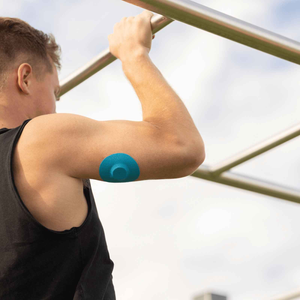
The later effect is the one people talk about most. Because the liver slows down glucose release while it processes alcohol, some users see a drop hours after the last drink—often when they’re already in bed. This delayed decline is one of the reasons secure adhesion over Christmas is important. If you sweat at a party, swim earlier in the day, or move through heated venues, loose edges can distort readings. Preparing the site using skin prep helps many users keep things steady overnight.
How Christmas eating patterns change alcohol responses
Christmas meals are nothing like everyday meals. They’re slower. Heavier. Spread over far longer. And there’s usually a point in the day where everyone is nibbling on leftovers or snacks without realising how much they’ve eaten.

A typical Christmas plate mixes high-fat, high-carb foods in a way that shifts digestion much further into the evening. Fat slows the movement of carbohydrates through the gut, meaning glucose might rise later than usual. When this delayed rise collides with alcohol metabolism, your CGM graph can look like it’s reacting in layers.
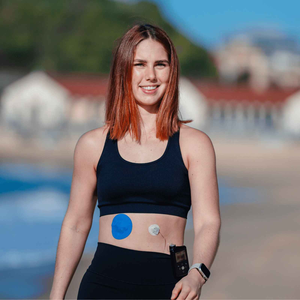
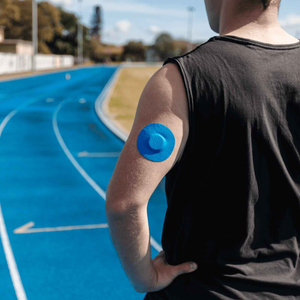
This is also when patch issues become more noticeable. A heavy, warm room or fitted clothing rubbing against the sensor can make edges lift. Many users choose CGM patches or a mixed patch bundle during the holidays simply because parties tend to run long and involve more movement than expected.
Patterns CGM users commonly notice after drinking
The most helpful way to understand alcohol and CGM behaviour is to look at the patterns that real users talk about.
1. A fast rise from sweet drinks
Cocktails with syrups, soft drinks or juice hit quickly. Many users say these drinks create the sharpest spikes of the season.
2. A slow climb from beer and cider
Beer rarely spikes fast—but it does climb steadily and can stay high for longer than expected.
3. A quiet start but a later dip
If you’re drinking spirits or wine with a meal, you might not see much movement until hours later. That dip is the liver effect.
4. A longer-than-usual rise after a big Christmas lunch
A roast with potatoes, gravy and dessert can sit for hours before glucose increases. When alcohol is added, the glucose curve can stretch well into the night.
It’s worth remembering that not every unexpected line means a patch problem. But long festive days increase the chances of heat, movement and moisture lifting the edges—so revisiting longer wear time techniques is genuinely useful this time of year.
Table: How different drinks tend to behave on a CGM
|
Drink type |
Carb load |
CGM pattern often reported |
Extra notes |
|
Beer & cider |
Medium–high |
Gradual climb |
Stronger effect in hot weather |
|
Sweet cocktails |
High |
Sharp early spike |
Mixers are the driver, not the alcohol |
|
Champagne & sparkling wine |
Low–moderate |
Mild rise |
Brut/dry types affect glucose less |
|
Table wine |
Low–moderate |
Steady line or small bump |
Meal timing changes effect |
|
Neat spirits |
Very low |
Neutral early reading |
Later dips are more common |
|
Spirits + sugary mixer |
High |
Early spike + later fall |
The sugar pushes the spike higher |
Does alcohol interfere with CGM accuracy?
Alcohol doesn’t interfere with the sensor’s internal chemistry.
What does affect readings is everything happening around it:
- Hot rooms or outdoor heat
- Sweat from dancing or moving around
- Compression when sleeping after a long night
- Jumping between venues with different temperatures
- Clothing rubbing against a loose edge
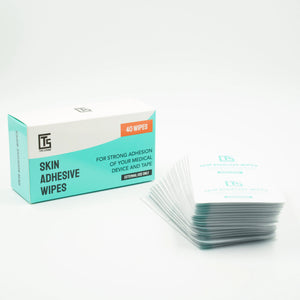
All of these can shift how stable the patch feels. Many people use adhesive wipes before applying a CGM during Christmas because the combination of humidity, sunscreen, moisturiser and long days makes adhesion harder. Those who expect a very active Christmas often look at extra protection options too.
Practical guidance for celebrating safely
Eat first, drink later
Food helps slow alcohol absorption, which can help moderate early changes.
Expect overnight differences
If you drank several hours earlier, the overnight drop is a known pattern. Adjusting your alarms or following comfort tips helps prevent unnecessary disruptions.
Choose mixers intentionally
It’s often the mixer—not the alcohol—that pushes glucose up.
Support your sensor
Party movement, jumping between venues, carrying bags or hugging relatives can all brush against the patch. Using reliable CGM patches or a patch bundle can save hassle during multi-event days.
Drink water regularly
Hydration makes a surprisingly big difference to glucose behaviour, even if you’re only having a couple of drinks.

Prepare the skin properly
Christmas humidity, sunscreen and lotion can reduce adhesion. Following skin prep makes a noticeable improvement for most users.
People Also Ask
Why does alcohol cause overnight lows for CGM users?
Because the liver is busy breaking down alcohol, it releases less glucose later at night.
Which drinks affect glucose the most?
Anything with sweet mixers tends to spike quickly.
Why do Christmas meals feel harder to manage?
Large, rich meals digest slowly and mix with alcohol effects, making the CGM curve stretch further into the evening.
Does alcohol loosen CGM patches?
Sweating, heat and movement can loosen patches more easily during festive events.
Supportive closing
Christmas is about seeing people you care about, enjoying food you don’t have any other time of year, and relaxing a little. With the right preparation and understanding of how alcohol and CGM patterns unfold, you can celebrate without feeling uneasy about your readings. The goal isn’t perfection—it’s confidence, comfort and a Christmas season that feels good on every level.
Reference
American Diabetes Association. (2024). Alcohol and diabetes: What you need to know. Available at: https://diabetes.org/healthy-living/alcohol
NHS. (2023). Alcohol and blood sugar. Available at: https://www.nhs.uk/live-well/alcohol-advice
Diabetes UK. (2024). Alcohol and diabetes. Available at: https://www.diabetes.org.uk/guide-to-diabetes/enjoy-food/eating-with-diabetes/alcohol
Centers for Disease Control and Prevention. (2024). Alcohol and chronic conditions. Available at: https://www.cdc.gov/alcohol


