

CGM Patches for Tennis | Keep Your Sensor Secure on Court

Whether you're playing social doubles, training for competition or competing in tournaments, tennis puts unique demands on your continuous glucose monitor (CGM).
Unlike many sports, tennis combines repetitive arm movements, sudden changes in direction, heavy sweating, outdoor heat and occasional dives or falls. All of these can challenge the adhesive holding your CGM in place.
The good news is that with the right sensor placement, proper skin preparation and a quality CGM overpatch, most players can confidently wear their sensor through long matches and training sessions.

Quick answer: How do you keep a CGM on while playing tennis?
The best way to keep a CGM secure during tennis is to:
-
apply it to an approved insertion site, ideally on the non-dominant upper arm where appropriate for your device
-
prepare your skin carefully before application
-
avoid applying sunscreen underneath the adhesive
-
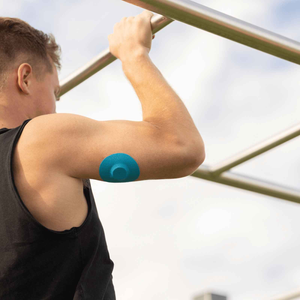
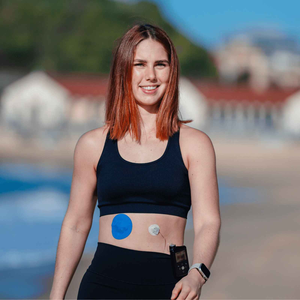
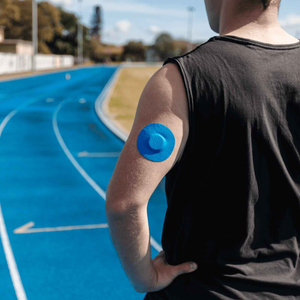
reinforce the sensor with a hypoallergenic overpatch
-
check the edges of the patch between sets
A quality overpatch helps keep your CGM securely attached during long matches, heavy sweating and outdoor play, without affecting your glucose readings.

Why tennis is particularly challenging for a CGM
Not all sports place the same demands on your sensor.
Running mainly creates repetitive movement.
Swimming challenges water resistance.
Tennis combines several factors at once:
-
repeated racquet swings
-
rapid acceleration and stopping
-
twisting through the upper body
-
heavy perspiration
-
friction from clothing
-
outdoor heat
-
occasional contact with the court
Together, these can gradually weaken the adhesive around your CGM.
Fortunately, there are simple ways to reduce these risks.
Common reasons CGMs come loose during tennis
Arm swing and repeated movement
Every forehand, backhand and serve places repeated stress through your shoulder and upper arm.
Over hundreds of swings, this constant movement can slowly lift the edges of the sensor adhesive.
This is particularly noticeable during long training sessions or tournament matches lasting several hours.
Sweat and wristbands
Many players wear sweatbands to improve grip and manage perspiration.
If your wristband or clothing repeatedly rubs against your sensor, it can gradually loosen the adhesive.
Heavy sweating also introduces moisture beneath the edges of the patch, making it easier for the sensor to lift.
Outdoor heat and sunshine
Summer tennis creates another challenge.
Hot weather increases sweating while prolonged exposure to direct sunlight can heat both your skin and your device.
Although modern CGMs are designed for everyday outdoor use, manufacturers recommend avoiding unnecessary exposure to extreme temperatures.
If you're playing during summer, you may also find our guide on wearing a CGM in hot weather helpful.

Where should you wear your CGM for tennis?
Correct placement is one of the biggest factors in preventing accidental knock-offs.
Always follow your CGM manufacturer's approved insertion sites.
For many popular devices, the upper arm is recommended.
If your healthcare professional has advised upper arm placement, many tennis players find the non-dominant arm experiences slightly less repetitive force during play.
For example:
-
Right-handed players may prefer the left upper arm.
-
Left-handed players may prefer the right upper arm.
This won't eliminate movement, but it may reduce repeated stress from serving and forehand strokes.
Avoid placing the sensor where it may:
-
rub against shirt sleeves
-
contact backpack straps
-
catch on towels
-
sit directly beneath tight compression clothing

CGM placement guide for tennis
|
Device |
Typical approved wear location* |
Tennis tip |
|
Dexcom G6 |
Upper arm (where approved) |
Consider the non-dominant arm if appropriate |
|
Dexcom G7 |
Upper arm |
Avoid areas that rub against sleeves |
|
Dexcom ONE+ |
Upper arm |
Reinforce with an overpatch for long matches |
|
FreeStyle Libre 2 |
Back of upper arm |
Keep clear of shirt seams |
|
FreeStyle Libre 3 |
Back of upper arm |
Check edges between sets |
|
Stelo |
Upper arm |
Ideal for an overpatch during outdoor matches |
|
Lingo |
Upper arm |
Avoid repeated friction |
|
Libre Rio |
Upper arm |
Monitor adhesion in hot weather |
|
Medtronic Guardian |
Follow manufacturer guidance |
Consider clothing friction |
|
Omnipod |
Follow approved wear locations |
Choose a site less likely to contact your racquet arm |
*Always follow your manufacturer's latest guidance and your healthcare team's advice.
Pre-match preparation
Taking five minutes before your match can help your CGM stay secure for hours.
1. Start with clean skin
Wash the area using mild soap and water.
Dry the skin completely before applying your sensor.
2. Avoid moisturiser
Lotions, oils and sunscreen underneath the adhesive reduce its ability to stick.
Apply sunscreen after your sensor and overpatch are already in place.
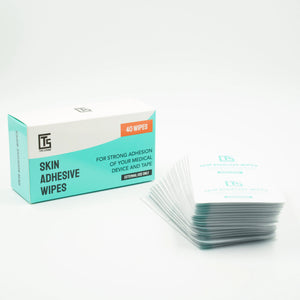
3. Use skin adhesive wipes if needed
If recommended by your diabetes educator, adhesive wipes can improve the bond between your skin and the sensor.
They're particularly useful in hot or humid conditions.
4. Apply your CGM carefully
Insert your sensor according to the manufacturer's instructions.
Press gently around the adhesive to ensure full contact.
5. Add a Type Strong overpatch
A Type Strong overpatch provides additional support around your CGM.
Our patches are:
-
hypoallergenic
-
latex free
-
water resistant
-
designed for sport
-
suitable for swimming and heavy perspiration
-
made specifically for popular Dexcom and FreeStyle Libre sensors
The overpatch helps distribute movement across a larger surface area, reducing the chance of the adhesive lifting during play.
6. Wait before playing
Whenever possible, allow the adhesive time to bond before beginning intense exercise.
Applying a new sensor immediately before a match may increase the chance of early lifting.

Courtside check between sets
Professional players routinely check their equipment.
Your CGM deserves the same attention.
Between sets:
-
Check the edges of your overpatch.
-
Press down any lifting corners.
-
Wipe away excess sweat around the sensor.
-
Make sure clothing isn't rubbing against it.
-
Confirm your glucose trend before returning to play.
This simple routine takes less than a minute and may prevent losing your sensor mid-match.
Does sunscreen affect a CGM patch?
Yes, it can.
Sunscreen applied underneath the adhesive may reduce how well the patch sticks.
The best approach is to:
-
apply your CGM first
-
apply your overpatch
-
then carefully apply sunscreen around the patch
Avoid rubbing sunscreen directly underneath the adhesive.
Will a CGM last through a two-hour tennis match?
For most people, yes.
CGMs are designed to remain attached during normal physical activity, including exercise.
However, long matches involving:
-
heavy sweating
-
repeated arm movement
-
high temperatures
-
towel use
-
frequent clothing friction
can increase the risk of lifting.
Using an overpatch significantly improves the chances of your sensor remaining securely attached throughout the match.
What if your patch starts lifting around Day 5?
Many players notice lifting around Day 5 or later, especially during busy weeks of training.
By this stage, repeated showers, sweat, clothing friction and movement have all begun weakening the adhesive.
Rather than replacing the sensor early, a quality overpatch can often help reinforce the adhesive and support the sensor through the remainder of its intended wear period.
You might also like our guide on why CGM patches often lift around Day 5.
Should you carry a spare kit?
Absolutely.
Your tennis bag should include:
-
spare overpatches
-
alcohol wipes
-
skin adhesive wipes
-
adhesive remover wipes
-
backup blood glucose meter (if appropriate)
-
glucose treatment for hypoglycaemia
Being prepared means a loose patch doesn't have to end your day on court.
Our article on keeping spare CGM supplies ready for travel and sport has more tips for building your diabetes kit.

Why Type Strong overpatches are ideal for tennis
Type Strong overpatches are designed for people who want to stay active without worrying about their CGM peeling away.
Our patches are:
-
hypoallergenic
-
latex free
-
water resistant
-
durable through sweat and movement
-
suitable for tennis, running, cycling and swimming
-
designed to fit popular CGMs including Dexcom, FreeStyle Libre and Medtronic Guardian
Importantly, an overpatch doesn't change your glucose readings.
It simply provides additional support to help your sensor stay securely attached during demanding activities like tennis.
The bottom line
Tennis is one of the more demanding sports for a CGM.
Repeated swings, heavy sweating, outdoor heat and friction can all challenge your sensor's adhesive.
With proper placement, good skin preparation and a high-quality overpatch, most players can confidently complete training sessions and competitive matches without worrying about losing their CGM.
A few minutes of preparation before stepping onto the court can help keep your sensor secure from the first serve to match point.
Frequently Asked Questions
Can sweat make a CGM fall off during tennis?
Yes. Heavy sweating can gradually weaken the adhesive around your sensor, increasing the chance of lifting. An overpatch helps reinforce the adhesive during long matches.
Where should you wear a CGM when playing tennis?
Always use an approved insertion site recommended by the manufacturer. Many players find the non-dominant upper arm works well where appropriate for their device.
Can you wear a CGM under a wristband?
No. Wristbands are worn on the wrist, while most CGMs are worn on the upper arm or another manufacturer-approved site. Avoid placing clothing or accessories directly over the sensor if they create repeated friction.
Does sunscreen affect a CGM patch?
Yes. Sunscreen underneath the adhesive can reduce how well it sticks. Apply your sensor and overpatch first, then apply sunscreen around them.
Will my sensor survive a two-hour tennis match?
Usually, yes. Modern CGMs are designed for physical activity, but sweat and repetitive movement increase the chance of lifting. An overpatch provides extra support during long matches.
Which CGM patch is best for tennis?
Look for a hypoallergenic, water-resistant overpatch designed for your specific CGM model. Type Strong overpatches are designed to provide durable support through sweat, movement and outdoor sport.


