

“Why do I have to wear this?”: Helping your child feel proud of their CGM

It’s a question many parents hear from their kids the first time they wear a CGM: “Why do I have to wear this?” For children and tweens, managing type 1 diabetes is already a big adjustment, and adding a visible device on their arm or tummy can feel overwhelming. Concerns about how friends will react, how it looks at school, or how it feels during sport are all completely normal.
But with the right support, kids can learn to feel confident and even proud of their CGM. The device isn’t just about diabetes management – it’s about freedom, safety, and independence.
Why kids wearing a CGM may feel self-conscious
Tweens are at an age where self-image and fitting in really matter. Wearing a CGM patch can feel like standing out in a way they didn’t choose. This isn’t unusual – children often compare themselves to their peers and may feel different when wearing medical devices.
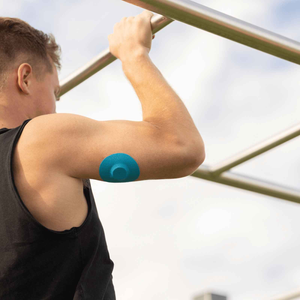
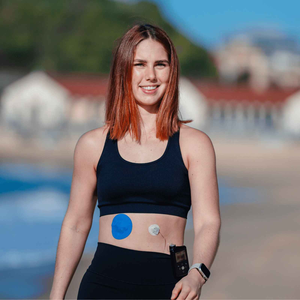
That’s why it helps to frame the CGM positively. Just like braces or glasses, it’s a tool that helps them live life more fully. And unlike those, a CGM can be made more personal with colour choices and patch options.
For example, some parents find that letting their child pick a bright CGM patch at home and a neutral patch for school helps balance confidence with comfort. If you want practical tips for preventing patch lift during daily life, you may find why your CGM patch needs extra protection in summer helpful.

How CGMs support children’s health
Children are more likely to feel positive about their CGM when they understand why it matters. A CGM isn’t just a patch – it’s a medical device that measures glucose levels in real time.
As NIDDK explains "Seeing your blood glucose levels in real time can help you make more informed decisions about the food and beverages you consume, the physical activity you do, and the medicines you take. Keeping your blood glucose level in your target range can help prevent other health problems caused by diabetes.".
For children, that means:
- Fewer finger pricks and less daily stress.
- Safer participation in school, sports, and sleepovers.
- More independence as they learn to manage diabetes with parental support.
The NHS also notes: “CGMs make it easier to see what your blood glucose levels are doing in real time, helping children and families to respond quickly.” (NHS England).
Confidence-building strategies for kids wearing CGM
Kids wearing CGM often feel torn between “wanting to fit in” and “needing the device.” Helping them gain confidence is about bridging that gap.
|
Challenge kids face |
Confidence-building strategy |
Patch tip |
|
Feeling different at school |
Remind them other kids wear medical devices like glasses or braces |
Bright or neutral CGM patches help the device feel less clinical |
|
Worrying about sports |
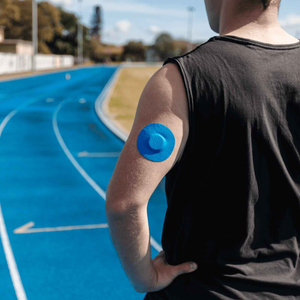
Point out athletes use CGMs while competing |
Dexcom G7 patches provide secure hold during sweat and movement |
|
Nervous about sleepovers |
Practise simple answers for when friends ask about the device |
Keep spares ready with a patch bundle |
|
Patch irritation |
Listen and troubleshoot rather than dismiss |
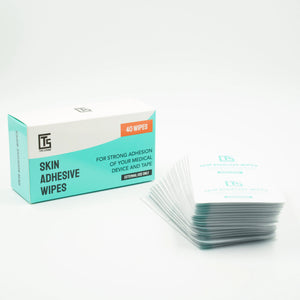
Try adhesive wipes or follow proper skin prep |
|
Feeling left out |
Reframe it as technology that gives them freedom |
Holidays are a good chance to try different patch colours |
If your child struggles at bedtime, small changes can help. Families often report that sleeping with CGM patches becomes easier when the patch is secure and comfortable.
Building confidence step by step
Helping children accept their CGM isn’t a one-time conversation – it’s a process. Here are some evidence-based steps parents can use to support their child’s confidence:
- Validate their feelings – Acknowledge if they say it feels unfair or embarrassing. This shows you’re listening, not dismissing.
- Give them choices – Even small choices, like what patch colour to wear or which arm to place the sensor, can restore a sense of control.
- Normalise medical devices – Remind them many kids wear glasses, braces, or even asthma puffers. A CGM is just another tool to stay healthy.
- Role-play social situations – Practise how to answer friends’ questions in a way that feels natural. This reduces anxiety before it happens.
- Celebrate milestones – Mark small wins, like “one week with no patch lift,” to help your child feel proud.
If your child is active, you may also want to read how athletes manage their CGM patches to show them they’re not alone in facing these challenges.

People also ask
1. How do I help my child accept their CGM?
Start with honesty. Let them know it’s not about making life harder – it’s about keeping them safe and independent. Involve your child in small decisions, such as where to place the sensor or what colour patch to use. Some parents celebrate milestones, like “one week patch strong,” to turn it into a positive challenge.
For practical tips, see why CGM patches for kids during school and holidays can make life easier.
2. Do kids feel embarrassed about wearing a CGM?
Yes, it’s common. Many tweens worry about what friends will say. You can support them by framing it as something that lets them join in more freely: “This device means you don’t have to sit out of sport or worry about hypos during class.” Over time, embarrassment often turns into confidence as children see the benefits.
3. How can I make my child’s CGM patch more fun to wear?
Choice makes a difference. Let your child decide whether they’d like a bold colour or something more subtle. It can help them feel in control of the process. Even small decisions like this remind them the CGM is part of their life, not something being done to them.
For some families, experimenting with patch colours outside school has been a way to make it feel more personal – a small but empowering step.
4. What should I do if my child’s friends ask about their CGM?
Simple, clear answers work best. Practising responses at home can ease anxiety. Phrases like, “It checks my sugar so I can play without stopping” help kids explain confidently without overthinking.
You can also reassure them that curiosity from friends is normal – kids ask about glasses, braces, and asthma puffers too.
5. Are CGMs safe for children to wear long-term?
Yes. CGMs are approved for children and recommended by diabetes specialists. As NHS England states: “Children and young people with type 1 diabetes will be offered continuous glucose monitoring to help manage their condition.” - NHS England
This makes clear that CGMs aren’t just safe – they are a vital tool in modern diabetes care for children.
Helping your child feel proud
Every child will have moments where they ask, “Why me?” or feel frustrated about wearing a CGM. But with your guidance, they can learn to see it as a strength, not a burden.
Encourage them to celebrate the freedom their device gives them, remind them of the independence it brings, and support them with patches that feel secure and comfortable.
For example, many families find sleeping with CGM patches easier when they use the right adhesive.
Most of all, remind your child they’re not alone. Thousands of kids are navigating the same journey – and with the right mindset, they can wear their CGM with pride, not shame.


