

Best covers for Libre 3 sensors (2026 guide)

The best cover for a Libre 3 or Libre 3 Plus
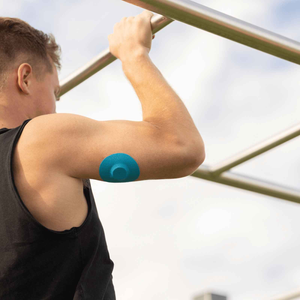
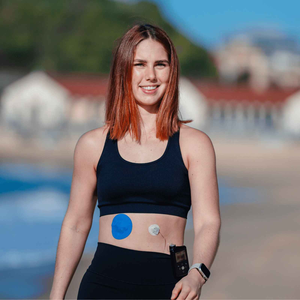
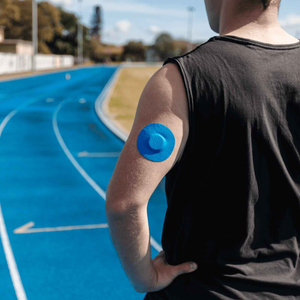
For most FreeStyle Libre 3 or FreeStyle Libre 3 Plus wearers, a flexible adhesive overlay that covers the full perimeter of the sensor is the better choice over a rigid hard shell. It reinforces the edges where lifting actually starts, stays low profile under clothing, and holds up through sweat and showers. A hard shell has its place for direct-contact sport, but it does nothing to strengthen the adhesive bond itself. Both sensors are the same physical size, so the same cover fits either one.

Libre 3 or Libre 3 Plus? What changed in September 2025
Abbott discontinued the standard FreeStyle Libre 3 on 30 September 2025, replacing it with the FreeStyle Libre 3 Plus. If you're shopping for covers today, there's a good chance you're on the Plus version already, or moving to it on your next prescription. The two sensors share the same size and shape, so this guide and every cover in it apply equally to both. The one number worth updating in your head: the Libre 3 Plus runs a 15-day wear cycle, not the 14 days the standard Libre 3 was rated for.

Why a Libre sensor comes loose
Most advice about sensor covers talks about slow, gradual lifting, and that's a real part of the picture. But a Libre 3 or Libre 3 Plus is small and low profile, which also makes it easy to catch on a doorframe, a seatbelt, or a shirt sleeve and pull off in one motion. That's not lifting, it's a lost sensor, and it's worth naming separately because the fix is different: reinforcement from day one, not just noticing early lifting and reacting to it.
The gradual version comes from three forces working on the adhesive over the wear cycle:
Shear force. When your arm bends or rotates, your skin stretches. If the sensor's own adhesive doesn't stretch at the same rate, tension builds at the edges first, which is where lifting usually starts.
Moisture exposure. Sweat and repeated water contact weaken adhesive bonds over the wear cycle. Heat speeds this up, which is why hot weather tends to shorten wear time. See our guide on extra protection in summer for more.
Repeated friction. Clothing, bedding, and normal daily movement create small, constant pulling forces at the sensor's edge. A cover that reinforces the full perimeter, not just the top surface, addresses this directly.
Types of cover: hard shell versus adhesive overlay
There are two broad categories of Libre 3 and Libre 3 Plus cover.
Hard shell covers sit over the device and protect against impact. They're a reasonable choice for contact sport or situations with a real risk of a direct knock. Their limitation is that they don't strengthen the adhesive bond itself, and some users find them bulky or find they trap heat against the skin.
Adhesive overlay covers, often just called Libre 3 patches or overpatches, attach directly to the skin around the sensor and reinforce the existing adhesive. For most day-to-day situations, an adhesive overlay is the more practical choice: preventing edge lift, supporting swimming and sweating, and staying comfortable through long workdays and sleep.
If you're not sure reinforcement is necessary in your case, our guide on whether you really need a patch for your CGM is a good starting point.

Hard versus adhesive covers, side by side
|
Factor |
Hard cover |
Adhesive overlay |
|
Prevents edge lifting |
No |
Yes |
|
Protects against knocks |
Yes |
Moderate |
|
Supports swimming |
Limited |
Yes |
|
Comfortable under clothes |
Often bulky |
Low profile |
|
Supports the full wear cycle |
No |
Yes |
|
Breathable options available |
Limited |
Yes |
If lifting is your main problem, an adhesive overlay is usually the right intervention. If a knock or impact is the bigger risk for your day, a hard shell adds protection an overlay can't.
What makes a good cover
Once you've decided on an adhesive overlay, a few things separate a good one from a mediocre one.
Breathable fabric. Occlusive materials trap moisture against the skin, which raises irritation risk and can shorten wear time. If you've had skin sensitivity before, our guide on making sure a CGM patch is actually hypoallergenic is worth a read before you buy.
Medical-grade adhesive. Skin-safe acrylic adhesives designed for multi-day wear hold better and irritate less than generic craft or packing adhesives sometimes used in cheaper covers.
Stretch and flexibility. A rigid material increases tension exactly where the sensor is most vulnerable, at the edges. A cover that flexes with your arm distributes that tension instead of concentrating it.
Full perimeter reinforcement. A partial cut that only covers part of the sensor's edge leaves a weak point right where lifting tends to start. Full-edge coverage closes that gap.
Application matters as much as the product itself. Follow proper skin prep before applying a patch for the best results regardless of which cover you choose.
Which cover should you choose?
Your decision usually comes down to three factors.
If lifting is your main problem
Choose a flexible adhesive overlay that reinforces the full perimeter. Most people find FreeStyle Libre adhesive patches secure the sensor without adding noticeable bulk under a sleeve.
If you swim or sweat heavily
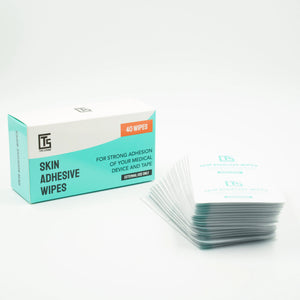
Moisture-resistant adhesive overlays outperform rigid shells here, since a hard shell doesn't address the adhesive bond itself. Applying skin adhesive wipes before your cover goes on improves bond strength further, especially before a swim.
If you have sensitive skin
Look for breathable, latex-free materials over thick occlusive ones. If irritation has already come up for you, our guide on common CGM patch issues covers troubleshooting.
Two clocks: the 15-day Plus sensor cycle and the 10+ day patch hold
It helps to separate two numbers that get conflated. Abbott rates the FreeStyle Libre 3 Plus for a 15-day wear cycle (the standard Libre 3, if you still have stock, was rated for 14). A well fitted Type Strong overlay is designed to hold for 10 or more days on top of that, which covers the sensor for the great majority of its cycle. Neither number changes the other: a cover doesn't extend a sensor's approved wear time, and a sensor's rated wear time doesn't guarantee the patch under it will last the same length automatically. They're two separate products doing two separate jobs.
Why many Libre wearers choose Type Strong
Design logic matters more here than marketing claims. Type Strong's Libre covers are built around flexible stretch to reduce shear tension at the edges, breathable construction for multi-day wear, full-edge reinforcement rather than a partial cut, a low profile that sits comfortably under a sleeve, and latex-free materials for sensitive skin. The goal is supporting the adhesion mechanics that actually cause lifting, not just adding a layer on top of the sensor.
You can browse compatible options in the CGM patches collection.
When a cover is worth it
A cover is strongly worth adding if you exercise several times a week, sweat heavily, swim regularly, work outdoors, notice lifting before the end of a sensor's rated cycle, or have previously lost a sensor early to a knock or snag. If movement specifically triggers lifting for you, our guide on exercise and patch stability goes deeper.
People also ask
What is the best cover for a Libre 3 Plus? A flexible adhesive overlay that reinforces the full perimeter of the sensor is the best fit for most wearers. It addresses the shear, moisture, and friction that cause lifting, which a hard shell doesn't. The FreeStyle Libre 3 Plus is the same physical size as the standard Libre 3, so the same overlay fits either sensor.
Hard shell or adhesive overlay? An adhesive overlay is the better default for daily wear, since it reinforces adhesion and stays low profile. A hard shell adds impact protection that's useful for contact sport, but it doesn't strengthen the adhesive bond itself.
Do covers fit both Libre 3 and Libre 3 Plus? Yes. The Libre 3 Plus is the same size and shape as the standard Libre 3 it replaced, so covers sized for one fit the other without modification.
Do covers affect readings? No. A properly applied cover sits over the adhesive and sensor housing, not over the reading window, so it doesn't change the glucose data your sensor reports.
How long does the patch hold? A correctly applied Type Strong overlay is designed to hold for 10 or more days, which covers the great majority of a Libre 3 Plus sensor's 15-day rated wear cycle.
Which cover suits sensitive skin? Breathable, latex-free adhesive overlays are the better choice over thick, occlusive materials, which trap moisture and raise irritation risk over a multi-day wear cycle.
Are Libre 3 sensor covers waterproof? No, and it's worth being precise here. High-quality adhesive overlays are water resistant, which supports showers and swimming well, but prolonged soaking can still weaken any adhesive over time. Waterproof implies indefinite submersion, which no overlay is built for.
How long should a Libre 3 Plus sensor last? The FreeStyle Libre 3 Plus is approved for up to 15 days of wear. A cover supports adhesion through that cycle but doesn't extend the sensor's approved lifespan beyond what Abbott rates it for.
Conclusion
For most day-to-day wearers, a breathable adhesive overlay gives the best balance of durability, comfort, and practicality on a Libre 3 or Libre 3 Plus. A hard shell protects against a direct impact. An adhesive overlay protects against the everyday adhesion breakdown that actually costs most people their sensor early. If you want consistent support without adding bulk, the CGM patches collection has options sized for both sensors.
If you're deciding between generations rather than covers, our Libre 2 Plus vs Libre 3 Plus comparison and understanding the FreeStyle Libre sensor are good next reads, along with our broader five tips to protect your FreeStyle Libre sensor and how long should a CGM patch last.
References
-
Abbott. "Transition to FreeStyle Libre 3 Plus or 2 Plus." freestyleprovider.abbott
-
Abbott Diabetes Care. FreeStyle Libre 3 system user guide. freestyle.abbott
-
Diabetes UK. "Continuous glucose monitoring systems." diabetes.org.uk
-
National Institute for Health and Care Excellence. "Continuous glucose monitoring." nice.org.uk


