


Small Frequent Meals vs Intermittent Fasting for Diabetes

You try eating smaller meals throughout the day, hoping for steady levels, but still see unexpected spikes. Then you try intermittent fasting and your glucose suddenly feels harder to predict. It can feel like you are doing everything right but still not getting clear answers.
The reality is, there is no one-size-fits-all approach. What matters is understanding how your body responds. Tools like CGMs can help you see patterns more clearly, but choosing the right eating approach depends on your lifestyle, your routine, and how your glucose behaves over time.
Why meal timing affects your blood sugar more than you think
Meal timing directly affects how your body processes glucose. When you eat, your glucose rises. When you do not, your body relies on stored energy and hormonal regulation.
Some people respond better to regular eating patterns, while others see more stable trends with fewer meals. A glucose biosensor allows you to see these changes in real time, helping you understand how timing impacts your levels.
Using a CGM gives you visibility into patterns that are otherwise easy to miss, especially when comparing different eating strategies.
If you are still learning how glucose responds to daily habits, this guide on how food affects your blood glucose levels can help you build a clearer baseline.
What are small frequent meals and how do they impact diabetes
Potential benefits of small frequent meals
Small frequent meals involve eating every few hours to maintain steady energy and glucose levels.
For some people, this approach can:
-
Reduce large spikes after eating
-
Help prevent sharp drops between meals
-
Make insulin adjustments feel more predictable
When using a CGM, you may notice smoother curves and fewer extreme fluctuations.
If you often notice your readings shift due to movement or daily wear, understanding how long a CGM patch should last can help set realistic expectations.

Common challenges people experience
However, eating more often is not always easier.
You may experience:
-
Constant decision-making around food
-
More frequent insulin dosing
-
Ongoing small glucose rises throughout the day
Over time, this can feel like you are always managing your glucose without much rest.
What your glucose data might show
If you track this approach using a CGM, your data may show:
-
Multiple smaller peaks
-
Shorter recovery times
-
Continuous movement rather than stable periods
This works well for some people, but others may find it harder to maintain consistency.
What is intermittent fasting and how does it affect diabetes
How fasting changes glucose patterns
Intermittent fasting focuses on reducing the eating window, allowing longer periods without food.
During fasting, your glucose may:
-
Stay stable for longer stretches
-
Be influenced by hormones like cortisol
-
Show patterns such as morning rises
Tracking these changes with a CGM helps you understand whether fasting creates stability or variability for you.
Potential benefits some people experience
Some people find intermittent fasting:
-
Simplifies their daily routine
-
Reduces the number of glucose spikes
-
Improves insulin sensitivity
With fewer meals, your glucose graph may appear less busy, which can feel easier to manage.

Risks and considerations
Intermittent fasting is not suitable for everyone.
Important considerations include:
-
Risk of hypoglycaemia
-
Energy levels during longer fasting periods
-
Individual variability in response
Using a CGM is especially helpful here, as it allows you to monitor trends and respond early if needed.
If your routine includes movement or workouts, it is worth understanding how exercise can loosen your CGM patch.
Small frequent meals vs intermittent fasting comparison
|
Factor |
Small frequent meals |
Intermittent fasting |
|
Glucose patterns |
Frequent smaller rises |
Longer stable periods |
|
Eating structure |
Regular meals |
Time-restricted |
|
Effort level |
Higher decision load |
Fewer daily decisions |
|
Risk of lows |
Lower for some |
Higher if not monitored |
|
Suitability |
Structured routines |
Flexible lifestyles |
How your glucose patterns can change over time
Your body adapts to changes in eating patterns. What works initially may not reflect long-term results.
For example:
-
Small frequent meals may feel stable at first but lead to more variability over time
-
Intermittent fasting may feel challenging early on but become more predictable
Other factors like sleep, stress, and hydration also play a role. If you want to go deeper, this guide on dehydration and CGM accuracy adds useful context.
A CGM helps you identify trends across days and weeks, giving you a clearer picture of what is actually working.
Staying consistent with your CGM data during meals and fasting
Why consistency matters when comparing approaches
You are trying to understand:
-
How your glucose responds after meals
-
How your glucose behaves during fasting periods
If your sensor shifts or loses adhesion, your data may not reflect your true patterns.

Small support that helps maintain reliable data
When wearing a sensor across different eating patterns, stability matters.
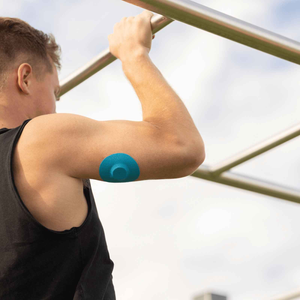
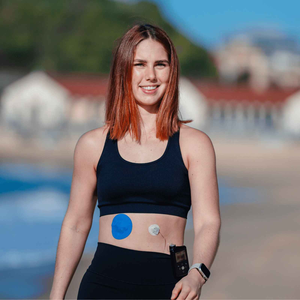
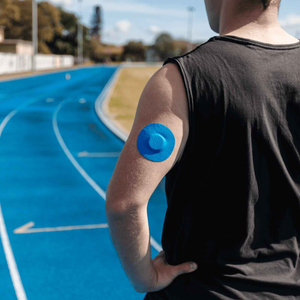
Some people use a CGM cover patch or CGM adhesive patches to help keep their sensor secure across longer wear periods.
If you are preparing your skin properly, combining this with adhesive wipes for CGM can improve consistency further.
For specific devices:
-
Dexcom G7 patches support high-movement lifestyles
-
Omnipod adhesive patches can help with secure pump wear
-
Freestyle Libre sensor patches are designed for flexible daily use
How CGM data helps you decide what works for you
There is no perfect method, only what works for your body.
A CGM allows you to:
-
See real-time trends
-
Compare meal-based and fasting patterns
-
Adjust based on your own data
If you are still exploring your setup, this beginner guide on whether you need a CGM patch can help clarify your options.
Which approach is right for you
Small frequent meals may suit you if
-
You prefer structure and routine
-
You experience frequent dips
-
You feel better eating regularly
Intermittent fasting may suit you if
-
You prefer fewer daily decisions
-
You tolerate longer gaps between meals
-
You want a simpler routine
What matters most
The most important factor is consistency.
Using a CGM helps you:
-
Build awareness
-
Understand patterns
-
Make adjustments with confidence
Final thoughts: Finding what works for your body
There is no single right approach when it comes to small frequent meals versus intermittent fasting. What matters most is how your body responds over time.
Using a CGM helps you move beyond guesswork and clearly see how each approach affects your glucose patterns. This makes it easier to build a routine that actually works for you.
Consistency matters. If your data is disrupted, it becomes harder to compare results with confidence. That is why some people choose supportive options like CGM cover patches or adhesive solutions to keep their sensor stable across longer wear periods.
Type Strong products are designed to support that consistency, so you can focus less on your device and more on understanding your body.


