

Do CGM patch expiry dates matter? Here's what to know

If you’ve ever found an old CGM patch in your drawer, you’ve probably wondered: does the expiry date really matter? After all, it’s just a bit of fabric and adhesive... right?
This guide explains what those expiry dates actually mean, whether they affect how well your patch works, and how to store your CGM patches properly so you’re not left second-guessing. It also covers the question most people search for next: how the date on your patch differs from the date on your sensor. Spoiler: this isn’t about fear or waste. It’s about staying comfortable, confident and sensor-secure.
What does ‘expiry’ actually mean for a CGM patch?
Unlike medications, CGM patches don’t “go off” in a way that’s dangerous or visible. But expiry dates still serve a purpose. Over time, the adhesive used in patches can break down or dry out, making them less effective at:
-
Sticking securely to your skin
-
Flexing with your movement
-
Minimising skin irritation
That doesn’t mean a patch instantly becomes useless the day after expiry, but it does mean it might not perform at its best. Adhesive degradation is a slow, quiet process, and it’s often not noticeable until your patch starts peeling off too early or causing discomfort.
Performance matters, especially when you’re wearing your sensor for days at a time. Using high-quality device-specific patches helps ensure more consistent wear across your routine.
Patch date vs sensor date: two different labels
The date on a patch pack and the date on a sensor box are different labels with different owners.
-
The patch date is about adhesive performance: how well the patch is likely to stick, flex and sit comfortably on your skin.
-
The sensor date is set by the sensor’s maker. So is the sensor’s wear cycle, which is how long each sensor is designed to be worn once it’s on.
|
Sensor |
Wear cycle, from the maker |
|
Up to 10 days, plus a 12-hour grace period |
|
|
Up to 15 days |
|
|
Up to 15 days |
An expired sensor is a question for the maker’s instructions, not the patch. Dexcom’s G7 user guide, for example, says: “Don’t start a sensor past its Use By Date (YYYY-MM-DD) because it may give incorrect results.” A fresh patch can’t make up for an expired sensor, and it can’t stretch a sensor past its wear cycle either. For more on the Dexcom range, see how long Dexcom sensors and transmitters last.
Signs a patch might be past its prime
If you’re wondering whether an older patch is still okay to use, here are a few signs it might be better left in the bin:
-
The adhesive feels dry, stiff or oddly flaky
-
It doesn’t stick well on clean, properly prepped skin
-
The patch curls or lifts quickly after applying
-
You experience CGM patch reactions like itching, redness or bumps
-
The packaging looks warped, faded, or has been exposed to heat or humidity
Lifting edges and early peeling aren’t always down to age. Our guide to the top 5 CGM patch issues and how to fix them covers the other usual causes.
Tip: If you’re applying an older patch, try it during a calm day at home, not before sport, sleep or long outings.

How to store CGM patches to extend their shelf life
Adhesives are sensitive to air, moisture and temperature, and CGM patches are no exception. To keep yours fresh for as long as possible:
-
Store them in a cool, dry place (not your bathroom or glove box)
-
Avoid direct sunlight, humidity or changing temperatures
-
Keep them sealed in their original packaging until you’re ready to use them
-
Don’t mix open and unopened packs in the same container
Type Strong’s product bundle is a smart way to stay stocked. Whether you’re using Dexcom G7 patches, FreeStyle Libre patches or Medtronic Guardian patches, long-term performance starts with good storage.
And if you’re the active type? Look for water-resistant patches built for heat, movement and changing weather.
Should you ever use a patch past its expiry date?
The short answer? Maybe, but it depends.
If the patch is just slightly past its expiry date, still sealed and has been stored well, there’s a decent chance it’ll still work. Some people find that older patches are fine in a pinch, but others notice reduced hold time or discomfort.
Here’s when you should definitely be cautious:
-
The patch is months or years out of date
-
It’s been exposed to heat, moisture or light
-
The adhesive feels off (dry, sticky in a weird way, etc.)
-
You have sensitive skin or a history of skin irritation from patches
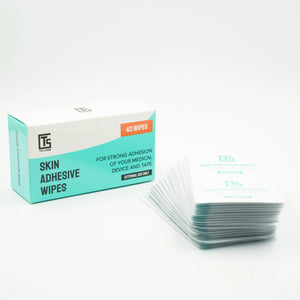
If you’re relying on your patch to stay put during a workout or overnight, consider using skin adhesive wipes for extra security, or layering a second patch if needed.
Curious about layering? Here’s what happens when you stack CGM patches.
Final takeaway: expiry dates are about performance, not panic
Patch expiry dates aren’t there to scare you or create waste. They’re there to help you get the most reliable wear, the strongest hold and the least chance of irritation. Type Strong patches are pre-cut, hypoallergenic, latex-free and water resistant, and our fabric patches are designed to hold for 10+ days.
If you wear CGMs regularly, staying stocked with spare CGM patches and storing them properly gives you peace of mind. You’ll always have a fresh patch ready, no guesswork needed.
To simplify your stash, try a Type Strong patch bundle. It’s an easy way to keep your favourites on hand, from Omnipod patches to Dexcom G6 patches. And if you’re buying in bulk, here’s how to do it right: the bundle advantage.

People also ask
Do expired CGMs still work?
That’s a question for the sensor’s maker, not the patch. Dexcom’s G7 user guide, for example, says not to start a sensor past its Use By Date “because it may give incorrect results”. Check your own sensor’s instructions, and remember that a fresh patch can’t make up for an expired sensor.
How long does a glucose monitor patch typically last?
Type Strong fabric patches are designed to hold for 10+ days. For what affects wear time and when to replace a patch, see how long should a CGM patch last.
Why does CGM only last 15 days?
That’s the sensor maker’s wear cycle, not a patch limit. Abbott designs the FreeStyle Libre 3 Plus sensor to stay on for up to 15 days, and the FreeStyle Libre 2 Plus sensor can also be worn for up to 15 days. When the sensor’s session ends, it’s replaced, however well the patch is holding.
How long do adhesive patches last?
On the skin, Type Strong fabric patches are designed to hold for 10+ days. In the drawer, it depends on the date on the pack and how the patches have been stored. Keep them sealed, cool and dry, and check for the signs above before using an older one.
References
-
Abbott, FreeStyle Libre 2 Plus vs FreeStyle Libre 2 sensor (US)
-
Abbott, FreeStyle Libre 2 system (US product page, FreeStyle Libre 2 Plus sensor)
-
Abbott, FreeStyle Libre 3 Plus Getting Started Guide (US)
-
Dexcom, Dexcom G7 User Guide, safety information (via ManualsLib)


