

What are Type Strong patches

You apply your CGM, it feels secure, and you get on with your day. Then at some point it catches on something. A towel after a shower, the edge of a doorway, your shirt halfway through a workout. You feel it move, and suddenly you are not sure it is still properly attached.
That worry is common, and it is not your fault. Sensors get knocked and snagged in everyday life, and it happens to most people eventually.
This is where Type Strong patches become genuinely useful. They are not designed to change your glucose levels. Instead, they help your CGM stay secure, so your data remains consistent and your routine stays uninterrupted.
If you are searching for a diabetes patch, this guide explains what Type Strong patches are, who they are for, and when you should actually use them.
A diabetes patch, often called a CGM patch, is an adhesive overpatch that sits on top of a continuous glucose monitor or insulin pump to hold it in place. It does not touch your glucose levels and it does not replace insulin or medication. Its only job is to back up the sensor's own factory adhesive, so the device stays put through showers, sweat, sleep, and movement. Type Strong patches cover the whole sensor while sticking only to the skin around it, which means the sensor keeps reading and you keep your data.

What are Type Strong patches:
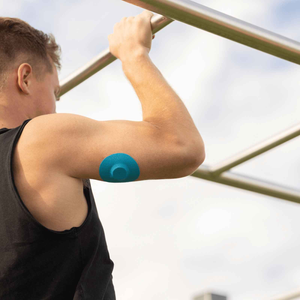
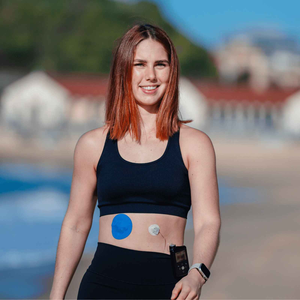
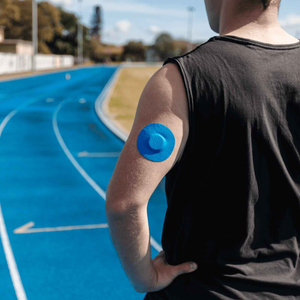
Type Strong patches are medical-grade adhesive overlays designed to sit over your CGM sensor or insulin pump site.
Their purpose is straightforward:
-
Keep your device securely attached
-
Protect against water, sweat, and friction
-
Support full sensor wear time
If you are looking for a reliable diabetes patch, you can explore the full range of Type Strong patches designed to support CGM wear and daily use.
Type Strong patches do not control blood sugar. There is currently no clinically proven “glucose control patch” that replaces insulin or medication. Instead, these patches support your CGM, which is the tool that helps you monitor and manage your glucose levels. Understanding what a CGM is and how it works helps you see where patches fit into your daily routine and why consistent sensor wear matters.

How Type Strong patches work
Type Strong patches act as a secondary adhesive layer, reinforcing the original sensor adhesive.
In real-world use, they:
-
Strengthen adhesion around the device
-
Prevent edges from lifting
-
Reduce movement during daily activity
-
Protect against moisture exposure
This becomes especially important because CGM adhesives naturally weaken over time, particularly with:
-
Exercise
-
Heat and humidity
-
Frequent movement
-
Long wear periods
If you have dealt with sensors peeling or failing early, common CGM patch issues and how to fix them explains what is happening and how to prevent it.

Who are Type Strong patches for
Type Strong patches are suitable for most CGM users, but they are especially useful in specific situations.
New CGM users
If you are just starting, even small issues like peeling can feel frustrating.
Using a diabetes patch early helps:
-
Reduce friction in your routine
-
Improve consistency
-
Build confidence
If you are still adjusting, helpful resources for newly diagnosed diabetes can help you build a more stable and manageable routine early on.
Active individuals
Exercise introduces sweat, stretching, and constant movement.
Patches help:
-
Keep sensors secure during workouts
-
Reduce early detachment
-
Maintain reliable readings
People in warm or humid climates
Heat and humidity weaken adhesive faster than expected.
A diabetes patch helps:
-
Maintain adhesion in sweat-heavy conditions
-
Reduce peeling
-
Support full wear time
Users with frequent sensor issues
If your CGM:
-
Falls off early
-
Lifts at the edges
-
Requires frequent replacement
Then a patch becomes a practical solution, not just an optional add-on.
People who want more confidence day to day
Worrying about your sensor falling off at work or in public adds unnecessary stress.
Patches support:
-
Greater confidence wearing your CGM
-
Fewer interruptions
-
A smoother daily experience
A stable routine matters more than most people expect, and a simple daily diabetes routine that works shows how small habits support long-term consistency.

When should you use Type Strong patches
You do not need to wait for problems to appear.
Best times to use a diabetes patchImmediately after applying your CGM
-
Supports full wear time
-
Improves adhesion from the start
-
Reduces early lifting
During exercise or active days
-
Helps manage sweat-related issues
-
Keeps sensors stable
Before swimming or travelling
Water exposure and long days increase the chance of adhesive breakdown.
Planning ahead makes a difference, and what to pack for CGM patch care when travelling covers exactly what you need.
In hot weather
High temperatures reduce adhesive strength significantly. Understanding why your CGM sensor needs extra protection in summer helps you avoid common issues.
When your sensor starts lifting
Applying a patch early can extend sensor life and prevent unnecessary replacements.
Types of Type Strong patches available
Type Strong offers patches tailored to specific devices for better fit and comfort.
Available options:
Each is designed to:
-
Fit properly around your device
-
Improve comfort
-
Maintain strong adhesion

How to apply Type Strong patches correctly
Application technique makes a real difference.
Step-by-step:
-
Clean and fully dry your skin
-
Avoid lotions or oils beforehand
-
Insert your CGM sensor first
-
Apply the patch evenly around it
-
Press firmly for 10 to 15 seconds
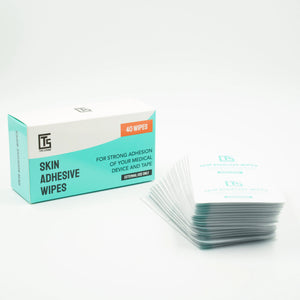
For additional support, Type Strong adhesive wipes can help improve hold, especially in humid or high-activity conditions.
Common mistakes to avoid
Even a well-designed diabetes patch can fail if applied incorrectly.
Avoid:
-
Applying on damp or sweaty skin
-
Stretching the patch too tightly
-
Repositioning after application
-
Using moisturisers beforehand
Comparison - with vs without a diabetes patch
|
Situation |
Without patch |
With Type Strong patch |
|
Exercise |
Higher risk of peeling |
Improved hold |
|
Showering |
Edges may lift |
Better resistance |
|
Sleep |
Sensor may shift |
More stability |
|
Full wear period |
Adhesive weakens |
Extended support |
Simple support that improves consistency
Managing diabetes already requires consistency and attention. Small issues like sensors peeling early can disrupt your routine and add unnecessary stress.
Type Strong patches focus on solving a practical problem:
keeping your CGM secure so your data stays reliable.
When your device stays in place, your routine becomes more predictable, and that makes managing diabetes feel more manageable over time.
Frequently asked questions
What does a diabetes patch actually do
A diabetes patch such as a Type Strong patch does not control blood sugar or replace any form of treatment. Its purpose is to support your CGM or insulin pump by keeping it securely attached to your skin.
This helps maintain consistent contact between the sensor and your body, which is essential for reliable glucose monitoring. When a sensor stays in place properly, you are less likely to experience interruptions in data, early detachment, or the need to replace devices before their intended wear time. In practical terms, a diabetes patch helps protect your routine by reducing avoidable disruptions.
Do Type Strong patches help improve CGM accuracy
Type Strong patches do not directly influence how a CGM measures glucose levels. However, they play an indirect but important role in supporting accuracy. When a sensor remains stable and securely attached, it is more likely to deliver consistent readings over time.
Movement, lifting edges, or partial detachment can sometimes affect how the sensor sits under the skin, which may lead to unreliable data. By helping keep the sensor in the correct position, patches support the overall reliability of your glucose monitoring rather than changing the measurement itself.
When should you start using a diabetes patch
You can start using a diabetes patch from the moment you apply your CGM, and in many cases this is the most effective approach. Applying a patch early helps maximise the full wear period of your sensor and reduces the likelihood of peeling or lifting before the end of its intended use.
Patches are particularly useful during periods of increased activity, exposure to heat or humidity, or when you know your routine will involve movement or water. Waiting until a problem occurs can sometimes make it harder to maintain adhesion, so starting early often leads to a more consistent experience.
Are Type Strong patches suitable for sensitive skin
Type Strong patches are designed to be comfortable for most users, but individual skin responses can vary. If you have sensitive skin, it is important to apply the patch to clean, dry skin and avoid areas that are already irritated or damaged.
Rotating application sites regularly can also help reduce the risk of irritation over time. Some users may benefit from additional preparation steps, such as ensuring the skin is free from oils or residue before application.
If you notice redness, itching, or discomfort, it is best to remove the patch and allow your skin to recover before using another one. If concerns continue, speaking with a healthcare professional is recommended.
Are diabetes patches worth using in everyday life
For many CGM users, diabetes patches become a practical part of daily management rather than an optional extra. They help reduce common issues such as sensors peeling off early or shifting during normal activities, which can interrupt glucose monitoring and create unnecessary stress.
By improving how securely a device stays in place, patches support a more stable and predictable routine. While not every user may need one at all times, they are especially helpful for people who are active, live in warm climates, or have previously experienced adhesion problems. In these situations, using a patch consistently can make managing diabetes feel more manageable and less disruptive.


