

What Is a Diabetes Patch? CGM, Insulin Pump or Overpatch

What is a diabetes patch?
A diabetes patch usually means one of three things: a continuous glucose monitor (CGM) sensor that reads glucose, an insulin patch pump that delivers insulin, or an overpatch that sits on top of either one to help hold it on. Herbal "diabetes patches" sold online are something else again: WebMD notes they are not FDA-approved and there's no reliable research behind them.
If someone has mentioned a diabetes patch to you, it's most likely one of the first three. Each is worn on the skin for a set number of days, as set by its maker:
- CGM sensor: a Dexcom G7 sensor is worn for up to 10 days, plus a 12-hour grace period.
- CGM sensor: a FreeStyle Libre 3 Plus sensor from Abbott is worn for up to 15 days.
- Insulin patch pump: an Omnipod 5 Pod from Insulet delivers insulin for up to 3 days (72 hours).
- Overpatch: an adhesive sheet with no electronics or medicine in it. It's changed along with the device it covers.
Which diabetes patch do you have?
The three are easy to tell apart once you know what each one does.
| CGM sensor | Insulin patch pump | Overpatch | |
| What it does | Reads glucose in the fluid just under the skin | Delivers insulin | Helps hold a sensor or Pod on the skin |
| Examples | Dexcom G7, Dexcom G6, FreeStyle Libre 3 Plus, Medtronic Guardian | Omnipod 5 Pod | Type Strong patches and other brands |
| Electronics or medicine inside | Yes, a sensor and transmitter | Yes, a pump and insulin | No |
| Needs a prescription | Usually | Yes | No |
| Source | CDC | Type Strong |
Is a diabetes patch a CGM?
Often, yes. A CGM is a small wearable device that monitors glucose in real time. The CDC explains that it attaches to the stomach or arm and uses a tiny plastic tube to read glucose from interstitial fluid, the fluid between cells just below the skin. Because it looks like a round patch on the arm, many people simply call it a diabetes patch or glucose monitor patch.
Each CGM sensor comes with its own adhesive pad, which holds it to the skin for the full wear time. The CDC notes that sensors are replaced every 7 to 14 days, depending on the device, and that lotion can make a sensor harder to stick.
Dexcom G7
says a G7 sensor is worn for up to 10 days, with a 12-hour grace period at the end. The longer Dexcom G7 15 Day sensor, for adults, is worn for up to 15 days. Dexcom tells users to apply the overpatch that comes in the box to help the sensor stay in place.
FreeStyle Libre 3 Plus
says the FreeStyle Libre 3 Plus sensor can be worn for up to 15 days and is indicated for children 2 years and older. The earlier FreeStyle Libre 3 sensor is worn for up to 14 days.
Is a diabetes patch an insulin pump?
Sometimes. An insulin patch pump is worn directly on the body with no tubing. The best-known is the Omnipod 5 Pod from Insulet, which delivers insulin for up to 3 days (72 hours) before it's replaced.
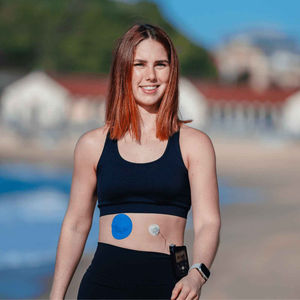
The Pod doesn't read glucose itself. Insulet explains that a compatible CGM sensor reports glucose to the Pod every five minutes, and the Pod adjusts insulin delivery in response. So someone using Omnipod 5 usually wears two "diabetes patches": a CGM sensor and a Pod.
What are Type Strong patches?
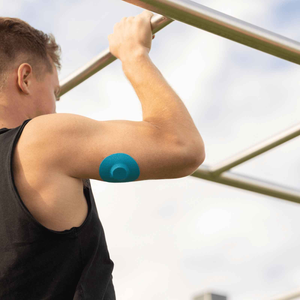
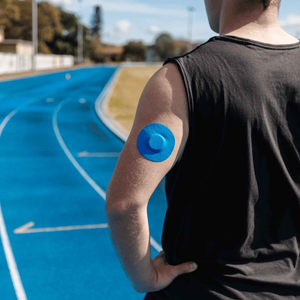
Type Strong patches are overpatches: thin adhesive covers that sit on top of a CGM sensor or Pod and stick to the skin around it. They contain no medicine and don't read or change glucose levels.

Type Strong patches sit on top of the sensor and are designed to hold for 10+ days, and they are water resistant.
The patch doesn't replace your device or its treatment. It's there for one practical job: to help the device you already wear stay on for its full wear time. If you're new to all this, our beginner's CGM guide explains how the sensor itself works.
How do Type Strong patches work?
A Type Strong patch is a backup for the sensor's own factory adhesive. The sensor's pad does the main job; the patch adds a second layer over the top that holds the whole device to the skin.
That matters because a CGM sensor that gets knocked off on a doorway, towel or seatbelt is finished. It can't be stuck back down, and a new one has to go in. With an overpatch on top, it's the patch edge that takes the knocks, not the sensor.
Type Strong patches have a non-stick centre, so the patch sticks only to the skin around the device, not to the sensor itself. That means a worn patch can be swapped for a fresh one without pulling the sensor out. Most people put a patch on right after they insert a new sensor, rather than waiting for trouble.
If you've had sensors come off early, our post on common CGM patch issues walks through the usual causes, and how long a CGM patch should last explains what to expect.
Which Type Strong patches are available?
Each patch is cut to fit a specific device:

- Dexcom G7 and ONE+ patches
- Dexcom G6 patches
- FreeStyle Libre sensor patches
- Medtronic Guardian patches
- Omnipod patch covers (see our post on the Omnipod 5 special patch)
You can see the full range, in colours and clear, in the CGM patches collection.
How do you apply a Type Strong patch?
- Wash and fully dry the skin where the sensor will go. The CDC notes that lotion or moisturising soap can stop a CGM sticking.
- Insert your sensor or Pod first, following the maker's instructions.
- Peel the backing off the patch.
- Place the patch on top of the sensor, with the non-stick centre over the device.
- Press the adhesive edges down firmly onto the skin for 10 to 15 seconds.
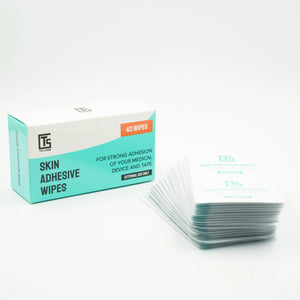
For extra grip on hot or active days, skin adhesive wipes can be used to prep the skin first.

What mistakes should you avoid?
- Applying to damp or sweaty skin. Adhesive needs clean, dry skin to grip.
- Using moisturiser beforehand. Creams and oils leave a film the patch can't stick through.
- Stretching the patch as you apply it. A stretched patch pulls back and lifts at the edges.
- Repositioning after it's on. Lifting and re-sticking weakens the adhesive. Line it up before you press.
- Reusing a patch. Patches are single-use; put on a fresh one each time you change your sensor.
Do herbal diabetes patches work?
There's no good evidence that they do. Some products sold online as "diabetes patches" claim to deliver herbal ingredients through the skin. WebMD notes these patches are not FDA-approved, haven't been through the testing that approved medicines and devices go through, and aren't backed by reliable research. It also states that no standalone skin patch treats diabetes.
That's different from a CGM sensor or insulin patch pump, which are approved medical devices prescribed as part of diabetes care. If you're unsure about any product, talk to your doctor or diabetes educator before using it, and don't stop or change any prescribed treatment.
People also ask
Do diabetes patches really work?
It depends on which patch you mean. CGM sensors and insulin patch pumps are approved medical devices that read glucose or deliver insulin. Overpatches help hold those devices on but don't affect glucose. Herbal diabetes patches are not FDA-approved, and WebMD notes there's no reliable research showing they work.
What are diabetic patches used for?
A CGM sensor is used to monitor glucose levels through the day and night. An insulin patch pump, such as an Omnipod 5 Pod, is used to deliver insulin without tubing. An overpatch is used to help keep a sensor or Pod attached to the skin for its full wear time.
How much does a diabetic patch cost?
The cost of a CGM sensor or insulin patch pump depends on your country, your prescription and your health insurance or government scheme, so check with your doctor, pharmacist or insurer. Overpatches are sold separately in packs; Type Strong patches come in packs of 20, with prices shown in your local currency on each product page.
Which diabetic patch is best?
There's no single best diabetes patch. The right CGM or insulin pump is a decision to make with your diabetes care team, based on your needs. For overpatches, the best one is the patch cut to fit your exact device, such as Dexcom G7, FreeStyle Libre or Omnipod.
How long does a diabetes patch last?
It depends on the device. Dexcom says a G7 sensor is worn for up to 10 days plus a 12-hour grace period; Abbott says a FreeStyle Libre 3 Plus sensor is worn for up to 15 days; and Insulet says an Omnipod 5 Pod delivers insulin for up to 72 hours. Type Strong overpatches are designed to hold for 10+ days and are replaced with each new sensor.
References
All sources accessed 25 November 2026.
- Centers for Disease Control and Prevention (CDC). Continuous Glucose Monitors.
- WebMD. Diabetes Patches: What Are They, and Do They Work?
- Dexcom. How long can I wear the Dexcom G7 CGM sensor?
- Abbott. FreeStyle Libre 3 Plus sensor compared with FreeStyle Libre 3 sensor (FAQ).
- Insulet. Omnipod 5.
- Type Strong. Dexcom G7, ONE+, Stelo Adhesive Patches product page.
- Type Strong. CGM patches collection.
This article is general information, not medical advice. Talk to your doctor or diabetes educator about your own diabetes care. In an emergency, call your local emergency number.


