


How Real-Time CGM Feedback Is Changing Eating Habits

If you use a CGM, food decisions can start to feel different. Not because you are following a new diet, but because you can see how your body responds in real time. A meal is no longer just a guess followed by a delayed outcome. It becomes immediate feedback.
For many people, CGM eating behaviour shifts not through restriction, but through awareness. Patterns become visible. Assumptions get tested. Small changes begin to feel informed rather than forced.
This article looks at how CGM eating behaviour is changing, why real-time feedback supports behaviour change, and how to use this data without turning food into a source of pressure.
Why real-time CGM feedback influences eating behaviour
Continuous glucose monitoring provides glucose readings at frequent intervals, allowing users to observe how glucose levels change in response to meals and daily activities. Evidence shows that this type of monitoring can improve understanding of glucose patterns and support self-management when data is interpreted over time rather than as isolated values, as outlined in Effects of continuous glucose monitoring on metrics of glycaemic control in diabetes.
CGM eating behaviour changes because the feedback is:
- immediate rather than delayed
- personal rather than averaged
- pattern-based rather than judgement-based.
Instead of being told what foods are good or bad, you see how timing, portion size, and food combinations influence your glucose levels.
This shifts CGM eating behaviour away from rule-following and towards learning.
Behaviour change happens through feedback, not control
Research published in the Journal of Eating Disorders explains that real-time physiological feedback can influence eating behaviour by increasing awareness and reflection rather than enforcing restriction. The study describes feedback as supporting self-observation and gradual adjustment, not rigid dietary control.
This helps explain why CGM eating behaviour often evolves slowly and sustainably. People are responding to information, not instructions.
CGM eating behaviour develops through:
- repeated exposure to patterns
- increased confidence in interpretation
- reduced reliance on strict food rules.
What CGM data teaches about food in daily life
Context matters more than single foods
CGM data shows that glucose responses to the same meal can vary depending on sleep, stress, hydration, physical activity, and timing. This reinforces that food does not act in isolation.
This variability is clearly described in CGM readings and food guide for people with diabetes, which explains why different responses can occur even when meals look similar.
CGM eating behaviour improves when food is viewed as part of a wider pattern rather than a single event.
Trend awareness matters more than one reading
Clinical literature highlights that CGM data is most useful when interpreted as trends over time rather than individual glucose values. According to Effects of continuous glucose monitoring on metrics of glycaemic control in diabetes, focusing on trends helps prevent unnecessary reactions to short-term fluctuations.
Healthy CGM eating behaviour focuses on:
- direction of change
- duration of rises or falls
- recovery after meals.
This approach supports calmer, more balanced food decisions.
Common eating habit changes reported by CGM users
|
Eating habit shift |
What CGM feedback shows |
Behaviour outcome |
|
Meal composition awareness |
Slower glucose rise when protein or fat is included |
More balanced meals |
|
Post-meal movement |
Faster return to baseline after walking |
Gentle activity habits |
|
Portion adjustments |
Reduced spikes with small changes |
Less restriction |
|
Meal timing awareness |
Improved overnight stability |
Greater evening confidence |
These shifts reflect CGM eating behaviour driven by understanding, not discipline.

Using CGM feedback without increasing food stress
While CGMs improve insight, research also notes that constant monitoring can increase emotional burden if users feel pressure to respond to every reading. This is why Effects of continuous glucose monitoring on metrics of glycaemic control in diabetes emphasises interpreting data over time rather than reacting to single values.
To protect healthy CGM eating behaviour:
- you do not need to analyse every meal
- one glucose rise does not indicate failure
- long-term patterns matter more than daily variation.

Why consistent sensor wear supports learning
Behaviour change relies on consistent feedback. When sensors fall off early or wear becomes uncomfortable, pattern recognition becomes harder.
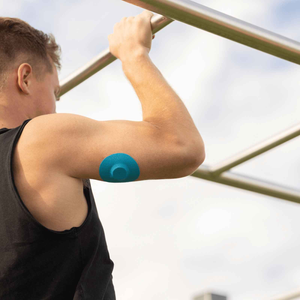
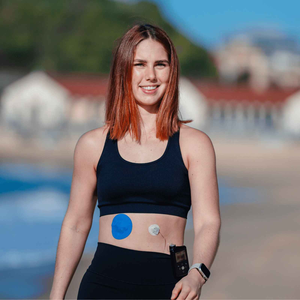
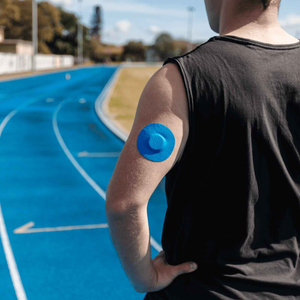
Reliable wear supports steady CGM eating behaviour development. Many users quietly improve consistency by using supportive protection from the CGM patches collection, especially during exercise, heat, or long workdays.
Comfort reduces disruption. Reduced disruption supports learning.
People also ask about CGM eating behaviour
Can CGMs change eating habits?
Yes. Evidence shows CGMs increase awareness of how food and daily behaviour affect glucose levels, which can influence eating decisions through reflection rather than enforcement, as outlined in Effects of continuous glucose monitoring on metrics of glycaemic control in diabetes.
Do CGMs cause food restriction?
Not inherently. Research indicates CGMs support learning and awareness rather than restriction when feedback is interpreted thoughtfully, as discussed in Real-time physiological feedback and eating behaviour change.
How accurate are CGMs for food decisions?
CGMs are reliable for identifying glucose trends related to meals when interpreted over time rather than reacting to individual readings, according to Effects of continuous glucose monitoring on metrics of glycaemic control in diabetes.
How long does it take for CGM eating behaviour to change?
Many people notice early insights within weeks, but sustained change develops gradually as confidence builds, as explained in CGM readings and food guide for people with diabetes.
A supportive way forward
CGM eating behaviour does not require perfect meals or constant optimisation. It works best when data is treated as information, not instruction.
Real-time feedback gives you the chance to learn how your body responds, adapt at your own pace, and rebuild confidence around food. CGM eating behaviour should support your life, not control it.
We are here to support the practical side of that journey, without pressure and without judgement.
References
Maiorino, M.I., Signoriello, S., Maio, A., Chiodini, P., Bellastella, G., Petrizzo, M., Giugliano, D. and Esposito, K. (2020) Effects of continuous glucose monitoring on metrics of glycaemic control in diabetes. Diabetology & Metabolic Syndrome, 12(1).
Smith, L. et al. (2025) Real-time physiological feedback and eating behaviour change. Journal of Eating Disorders.
Beyond Type 1 (2023) CGM readings and food guide for people with diabetes.


