

Wearing a CGM in Hot Weather: Does Extreme Heat Affect Your Readings, and How to Keep Your Sensor Secure

Summer brings beach days, holidays, outdoor exercise and plenty of sunshine. For people living with diabetes, however, it also raises an important question:
Does extreme heat affect CGM readings?
The short answer is sometimes, but not always for the reason you think.
Hot weather can affect your body's glucose levels, and very high temperatures can also affect your CGM if it's exposed outside its recommended operating conditions. On top of that, sweat can weaken the adhesive holding your sensor in place.
Understanding the difference between these three things helps you know when to trust your CGM, when to double-check with a finger prick, and how to keep your sensor securely attached during the hottest days of the year.

Quick answer: Does heat affect CGM readings?
Extreme heat does not automatically make your CGM inaccurate.
However, heat can influence your readings in three different ways:
-
Your body may respond to hot weather, dehydration or activity, causing your glucose levels to genuinely change.
-
A CGM exposed to temperatures outside the manufacturer's recommended operating range may temporarily provide unreliable readings.
-
Increased sweating can loosen the adhesive holding your sensor, making it more likely to peel away early.
An overpatch helps keep your sensor attached in hot weather, but it does not change or improve the glucose readings themselves.

How heat affects your body versus your CGM
One of the biggest misconceptions is that every unusual CGM reading during a heatwave means the sensor has stopped working.
In reality, there are two completely different things happening.
|
Your body |
Your CGM |
|
Heat may increase insulin absorption, contribute to dehydration and change glucose levels. |
The sensor measures glucose in interstitial fluid and has recommended operating temperatures. Extremely high temperatures can affect performance. |
Understanding this difference can help avoid unnecessary sensor replacements.
Can a heatwave actually change your glucose?
Yes.
Hot weather affects everyone differently.
Some people notice lower glucose levels, while others experience higher readings due to dehydration or illness.
Factors that can influence glucose during hot weather include:
-
dehydration
-
increased sweating
-
changes in appetite
-
increased physical activity
-
faster insulin absorption
-
heat stress on the body
This means your CGM may simply be showing what your glucose is actually doing.
If your reading doesn't match how you feel, follow your healthcare team's advice and consider checking with a blood glucose meter.
You might also enjoy our guide on how hot and cold weather affect your blood sugar.
When heat can affect CGM accuracy
CGMs are designed to work within specific temperature ranges set by each manufacturer.
If the sensor becomes excessively hot, accuracy may temporarily be affected.
Situations to avoid include:
-
leaving spare sensors inside a hot car
-
placing sensors in direct sunlight for long periods
-
storing sensors outside their recommended storage temperatures
-
exposing receivers or smartphones to excessive heat
Fortunately, everyday summer weather usually isn't enough to damage a properly worn sensor.
The biggest risk is prolonged exposure to extreme temperatures rather than simply walking outside on a hot day.

Recommended temperature care for common CGMs
|
Device |
Avoid |
|
Dexcom G6 |
Leaving sensors in a hot vehicle or direct sunlight |
|
Dexcom G7 |
Storage or operation outside manufacturer recommendations |
|
Dexcom ONE+ |
Prolonged exposure to excessive heat |
|
FreeStyle Libre 2 |
Direct sun and high storage temperatures |
|
FreeStyle Libre 3 |
Excessive heat during storage or wear |
|
Medtronic Guardian |
Heat outside recommended operating temperatures |
Always follow the latest manufacturer guidance for storage and operating temperatures, as recommendations may change with newer devices.
Does sweat make a CGM fall off?
Yes, it can.
During a heatwave your body naturally sweats more.
Moisture slowly works beneath the adhesive, particularly around the edges of the sensor.
This doesn't affect the glucose reading itself.
Instead, it increases the chance of:
-
peeling edges
-
lifting corners
-
accidental knocks
-
early sensor loss
If your sensor falls off before its intended wear period, you'll need to replace it sooner than expected.
How to keep your CGM secure during hot weather
A few simple habits can make a big difference.
Prepare your skin properly
Wash the application site with mild soap and water.
Allow it to dry completely before inserting your sensor.
Avoid moisturisers, sunscreen or oils immediately beforehand.
Our guide on how to prepare your skin before applying a CGM patch explains this in more detail.
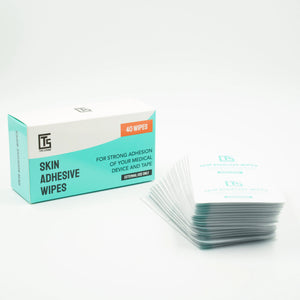
Use skin adhesive wipes if needed
If recommended by your diabetes educator, adhesive wipes can improve the bond between your skin and the sensor.
They can be particularly helpful during humid weather or long days outdoors.
Apply an overpatch
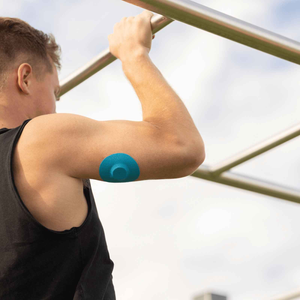
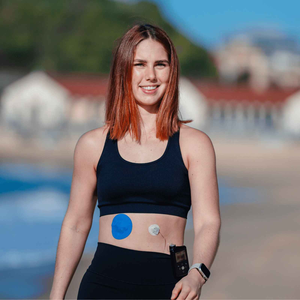
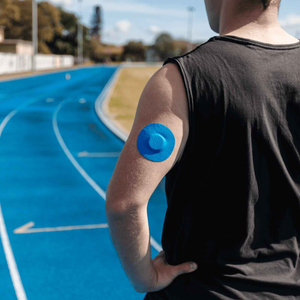
A quality overpatch provides additional support around your CGM.
Rather than changing the sensor's readings, it helps prevent the adhesive lifting as sweat builds underneath.
Type Strong overpatches are:
-
hypoallergenic
-
latex free
-
designed for extended wear
-
water resistant
-
suitable for swimming, exercise and hot weather
-
compatible with popular CGMs including Dexcom, FreeStyle Libre and Medtronic Guardian
This extra support can help your sensor stay securely attached throughout its intended wear period.

Keep spare sensors out of direct heat
It's not just the sensor you're wearing that needs protection.
Store unopened sensors:
-
indoors
-
in a cool, dry place
-
away from direct sunlight
-
away from heaters
-
never inside a parked car
Cars can reach temperatures well above the recommended storage limits for many medical devices within minutes during summer.
If you're travelling, you may also find our guide on protecting insulin during summer useful.
A simple heatwave routine for CGM users
When temperatures climb, follow these simple steps.
-
Stay well hydrated throughout the day.
-
Keep your CGM out of direct sunlight where possible.
-
Store spare sensors indoors.
-
Check your sensor edges after exercise or swimming.
-
Apply an overpatch if you're spending long periods outdoors.
-
If readings don't match how you feel, confirm with a finger prick test and follow your healthcare team's advice.

How a Type Strong overpatch helps in hot weather
Heat doesn't usually damage the adhesive overnight.
Instead, it's the combination of:
-
sweat
-
movement
-
humidity
-
friction from clothing
that slowly weakens the bond.
Type Strong overpatches provide additional support around your CGM to help keep the sensor lying flat against your skin.
Because the sensor is less likely to catch on clothing or lift around the edges, it's more likely to last its full wear period.
Importantly, an overpatch does not change the accuracy of your CGM readings. It simply helps keep the sensor securely attached when summer conditions make adhesion more challenging.
If your patches regularly peel during warmer months, you might also like our article on how long a CGM patch should last.
The bottom line
Hot weather doesn't automatically make your CGM inaccurate.
More often, your glucose levels are responding naturally to dehydration, activity or heat, while increased sweating challenges the adhesive holding your sensor in place.
By protecting your CGM from excessive temperatures, preparing your skin properly and using a quality hypoallergenic overpatch, you can help your sensor stay securely attached throughout summer.
Whether you're wearing a Dexcom, FreeStyle Libre or Medtronic Guardian system, a little extra preparation can help you enjoy the warmer months with confidence.
Frequently Asked Questions
Does extreme heat affect CGM readings?
Not usually. Hot weather is more likely to affect your body's glucose levels than the CGM itself. However, exposing the sensor to temperatures outside the manufacturer's recommended operating range may temporarily affect performance.
Is my heatwave causing incorrect glucose readings?
Possibly, but not necessarily. Heat, dehydration and exercise can all cause genuine changes in glucose levels. If your reading doesn't match your symptoms, confirm with a finger prick and contact your healthcare provider if needed.
What temperature is too hot for a CGM?
Each manufacturer provides recommended storage and operating temperature ranges. Avoid leaving sensors in hot cars, direct sunlight or other extreme heat sources.
Can direct sunlight damage a CGM?
Prolonged exposure to excessive heat or direct sunlight may affect the sensor or shorten its lifespan. Whenever possible, keep your CGM covered with light clothing during extended time outdoors.
Does sweating make a CGM fall off?
Heavy sweating can weaken the adhesive around your sensor, increasing the risk of peeling or accidental loss.
Will an overpatch improve my CGM readings?
No. An overpatch doesn't affect glucose measurements. It simply helps keep your sensor securely attached by reinforcing the adhesive around it.


