


What CGM Data Reveals About Skipping Meals

Skipping meals can feel like a practical choice when life gets busy. Meetings run long, commutes stretch out, or energy simply drops. Many CGM users tell us they skip meals thinking it will steady their numbers or make the day easier to manage. But when you look closely at CGM data, a different story often appears.
CGM diabetes data does not judge. It shows patterns. And for busy adults using CGM wearables, those patterns can be surprising, frustrating, and sometimes reassuring once you understand what they mean.
This article explores what CGM data reveals about skipping meals, why glucose responses vary so widely, and how you can use CGM insights to make choices that feel supportive rather than restrictive.
Why skipping meals shows up clearly in CGM data
CGM diabetes systems track glucose continuously, not just at single moments. When meals are skipped, several changes often appear in CGM data:
- Longer periods of flat or slowly drifting glucose
- Delayed glucose rises later in the day
- Increased glucose variability after the next meal
- Unexpected highs or lows overnight
These patterns occur because your body still needs fuel even when food intake is delayed. Hormones such as cortisol and glucagon step in to release stored glucose, which can cause glucose rises even without eating.
Many people only notice this when reviewing CGM graphs later. If this feels familiar, you may relate to patterns discussed in Why January health resets often backfire for CGM users, where restrictive routines often create hidden glucose stress rather than stability.
What CGM data reveals about different types of meal skipping
Not all skipped meals affect CGM diabetes data in the same way. Timing and context matter.
Skipping breakfast
Skipping breakfast is one of the most common patterns seen in CGM data. Many users notice:
- Morning glucose staying higher than expected
- Sharper spikes at the first meal
- Increased insulin resistance later in the day
- Overnight hormones already raise glucose. Without food to support insulin action, CGM data may show prolonged elevations into the late morning.
Skipping lunch
Skipping lunch often shows up as:
- Afternoon dips or long flat periods
- Stronger hunger later in the day
- Larger glucose swings at dinner
Busy adults frequently skip lunch unintentionally. CGM data can reveal that what feels like productivity may be setting up glucose instability later.
Skipping dinner
Skipping dinner may look stable on evening CGM graphs, but overnight data often reveals:
- Delayed glucose rises
- Increased risk of overnight lows
- More reactive corrections during sleep
Without continuous glucose monitoring, these overnight patterns are easy to miss.
How CGM data links skipping meals to glucose variability
CGM diabetes insights consistently show that skipping meals tends to increase glucose variability rather than reduce it.
|
Eating pattern |
CGM trend pattern |
Common outcome |
|
Regular meals |
Gradual rises and falls |
More predictable glucose |
|
Skipped meals |
Flat lines then sharp spikes |
Higher variability |
|
Long fasting gaps |
Hormonal glucose release |
Unexpected highs |
|
Irregular timing |
Delayed corrections |
More CGM alerts |
Higher variability does not mean you are doing something wrong. It simply means your body is compensating for missing energy.
If your sensor loosens during long or high stress days, data accuracy can also be affected. You may find it helpful to revisit How long should a CGM patch last to make sure your wear time supports reliable CGM insights.
Emotional fatigue and skipped meals
Skipping meals is not always about food rules or control. Often, it is about emotional load.

CGM data frequently reflects stress patterns more than eating behaviour. Many people see glucose rise on days when meals are skipped because of deadlines, caregiving, travel, or mental exhaustion.
This is where CGM diabetes data becomes a tool for understanding rather than criticism. If you notice repeated glucose changes on days you skip meals, the data is offering context, not judgement.
We explore this emotional side further in When managing your diabetes becomes exhausting, which many busy adults find reassuring.
Where CGM patches and wearability matter
Skipping meals often happens on the busiest days. Long meetings, physical activity, travel, or high stress periods are exactly when CGM diabetes data matters most. These are also the moments when sensors are more likely to loosen or lift.
If a CGM patch starts peeling or shifting, the data you rely on to understand skipped meals can become unreliable. Gaps, compression lows, or missed trends can make it harder to tell whether glucose changes are coming from food timing or sensor movement.
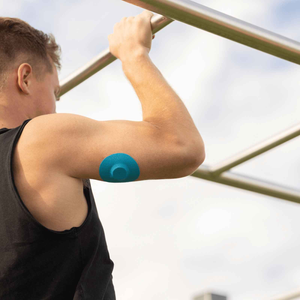
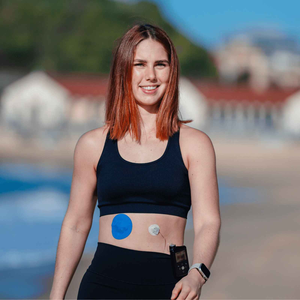
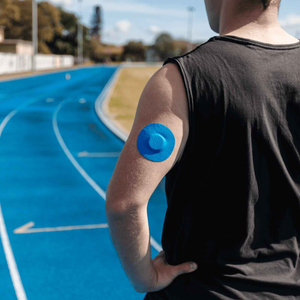
This is where supportive wearability makes a practical difference. Many CGM users choose cgm adhesive patches to add stability without extra bulk or irritation. Secure patches help your sensor stay in place through long days, skipped lunches, and unpredictable schedules so your CGM data reflects your body rather than device movement.
Type Strong patches are designed for real life wear, not perfect routines. Whether you use dexcom patches, freestyle libre patches, or omnipod patches, having a patch that stays put can help you trust the patterns you are reviewing. You can explore options across devices in the full range of Type Strong CGM patches, including choices made for sensitive skin and extended wear.
Some users also find pairing patches with Type Strong skin adhesive wipes helpful on days when meals are delayed and sensors need extra support.
The aim is not perfect adherence. It is confidence in your data.
Using CGM insights to decide whether skipping meals works for you
There is no universal rule that says you must eat at set times. CGM diabetes data allows you to personalise decisions.

Consider reviewing:
- Whether skipping meals reduces or increases glucose swings
- If delayed spikes appear later in the day
- How overnight readings look after skipped meals
- Whether stress or activity changes the outcome
Your CGM trends are more informative than generic advice. What matters is how your body responds over time.
If your routine is unpredictable, ensuring your sensor stays secure can help you interpret those patterns accurately. Good adhesion allows CGM data to support decisions rather than create doubt.
What CGM data is really telling you
CGM diabetes technology gives you information, not instructions. When CGM data reveals instability after skipping meals, it is an invitation to adjust gently, not enforce rigid rules.
You are allowed to be busy. You are allowed flexibility. CGM insights simply help you understand how your body responds so you can make choices that feel supportive.
If skipping meals works some days and not others, that is not inconsistency. That is real life.
Type Strong exists to support that reality through education, lived experience, and practical tools like cgm patches that help keep your data reliable when your schedule is not.
References
American Diabetes Association 2024, Glycaemic variability and continuous glucose monitoring, viewed 2026,
https://diabetesjournals.org/care/article/47/Supplement_1/S120/153108
Cleveland Clinic 2024, Continuous glucose monitoring (CGM), viewed 2026,
https://my.clevelandclinic.org/health/articles/continuous-glucose-monitoring-cgm
National Institutes of Health 2020, Hormonal regulation of blood glucose, viewed 2026,


