

Holiday stress and your glucose levels: what your CGM might show in December

December is known for celebration, yet it also brings one of the biggest emotional loads of the year. Travel plans, family commitments, social events, late nights, financial pressure and disrupted routines can all build up quickly. If you have noticed your CGM graph becoming more unpredictable or your patch adhesion feeling less reliable, you are not alone. Holiday stress affects your body in very real ways, and your CGM often reflects these changes long before you consciously realise you are under strain.
Understanding how stress glucose levels shift during December can help you feel more supported, more prepared and far less overwhelmed.
How stress affects your glucose levels during the holidays
When you are stressed, your body releases cortisol and adrenaline. These hormones push stored glucose from the liver into your bloodstream, which can raise your readings even if you have not changed what you eat. For many people, this creates noticeable patterns such as sharper spikes, slower rises after meals or readings that stay higher for longer.
Common holiday triggers that increase stress glucose levels include:
- Irregular eating
- Large social meals
- Less sleep
- More caffeine or alcohol
- High emotional pressure
- Cold weather and disrupted exercise routines

During stressful weeks, many people also skip or rush their skin prep. This can affect CGM patch adhesion, especially when combined with dry skin or sweating from rushing between events.
How common holiday stressors affect your CGM
|
Stress trigger |
What your CGM might show |
Why it happens |
Helpful support |
|
Running late or rushing |
Rapid spikes |
Adrenaline release |
Slow breathing, extra water |
|
Social overwhelm |
Steady climbs |
Cortisol release |
Step outside for a quiet reset |
|
Poor sleep |
Higher morning readings |
Stress hormone imbalance |
Early nights when possible |
|
Cold weather |
Slower response to insulin |
Reduced circulation |
Gentle movement |
|
Emotional tension |
Unpredictable stress glucose levels |
Fight-or-flight response |
Calmer pacing, small breaks |
|
Dry skin or sweat |
Patch edges lifting |
Reduced adhesion |
Adhesive wipes and CGM patches |
If you want guidance on keeping patches secure through December, the Type Strong guide on patch issues explains common causes and simple fixes.
How holiday behaviour changes affect CGM patch adhesion
Stress does not only affect glucose readings. It also influences small habits that impact how well your patch stays on. When life becomes hectic, you may:
- Touch or adjust the patch without realising
- Sweat more due to rushing or anxiety
- Forget to moisturise or hydrate
- Skip proper application steps
- Wear thick layers that rub against the patch
- Place the patch on dry or flaky December skin
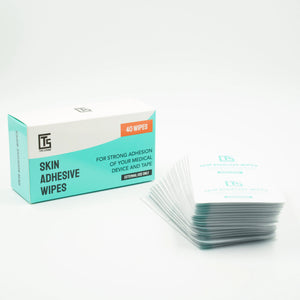
These small shifts can make CGM patch adhesion a little less reliable. Using adhesive-support tools such as Type Strong adhesive wipes, or switching to stronger CGM patches, can help reduce edge lift during busy weeks.

If you want to understand how long a secure patch should last, Type Strong’s insight on longer wear time offers useful context for your December routine.
People Also Ask
These are actual questions people search for about stress and glucose:
Does emotional stress raise glucose levels?
Yes. Emotional stress releases cortisol and adrenaline, which signal your liver to release stored glucose. Many people see temporary rises or prolonged highs on their CGM during stressful periods, especially in December.
Why do my glucose levels spike during family gatherings or social events?
Social pressure and emotional tension activate your body’s stress response. This often causes sharp spikes on your CGM, even before you eat. These are classic stress glucose levels and not necessarily tied to food choices.
Can stress make my CGM less accurate?
Stress does not affect the sensor’s accuracy but it affects your glucose physiology. Sweating, rushing or skipping prep can influence how well your patch stays on. You can reduce adhesion problems by improving your skin prep before applying a new patch.
How can I stabilise stress glucose levels during December?
Supportive steps include regular hydration, slower breathing, consistent meals where possible, gentle walking after food and creating calm moments during busy days. Strengthening patch adhesion with newer CGM patches or adhesive wipes can also reduce frustration during high-stress weeks.
You may also find the warm-weather guide on extra protection helpful, as many of the same principles apply to holiday busy periods.
Supportive closing
December can be emotionally intense, and noticing changing stress glucose levels is not a sign of failure. It simply shows that your body is responding to pressure, routine shifts and fast-paced days. With a little preparation, some kindness toward yourself and reliable tools like proper skin prep, secure CGM patches and adhesive wipes, you can move through the season feeling steadier and more supported.
You deserve a holiday season that works with your needs, not against them. Your CGM is there to help you listen to your body, and with the right support, you can navigate December with confidence and care.
Reference
Cleveland Clinic (2023) Stress and blood sugar. Available at: https://my.clevelandclinic.org
Diabetes UK (2024) Stress and blood sugar levels. Available at: https://www.diabetes.org.uk
American Diabetes Association (2023) Standards of Care in Diabetes. Available at: https://diabetesjournals.org/care
National Institutes of Health (2023) Hormonal stress pathways and glucose metabolism. Available at: https://www.ncbi.nlm.nih.gov


