

Chlorine vs saltwater: Which damages CGM adhesive more?

Swimming should feel freeing, not frustrating. But if you wear a CGM, you have likely stepped out of the pool or ocean and noticed your edges lifting or your sensor feeling less secure. When your CGM adhesive starts to fail early, it can interrupt your data and your confidence.
The reality is that both chlorine and saltwater affect adhesion. The difference is how they interact with your skin and your CGM adhesive patch over time. Understanding this helps you protect your sensor and avoid unnecessary replacements, especially if you swim regularly.
How water exposure affects CGM adhesive
CGM systems rely on medical-grade adhesives designed for daily wear. However, extended water exposure, especially combined with movement, can weaken even strong CGM patches waterproof.
Key factors that impact adhesion
-
Length of time in water
-
Water temperature
-
Skin oils and preparation
-
Friction from swimming movements
If your patch is already struggling, water can accelerate peeling. That is why many users reinforce their sensor with a CGM cover patch for added stability.
If you are unsure whether your setup is strong enough, this guide on signs your patch is too weak for daily life can help you identify early issues.
Chlorine vs saltwater: what is the difference?
Both environments affect your CGM adhesive, but in different ways. One is chemically harsh, the other creates gradual physical stress.
Chlorine and CGM adhesive performance
Chlorine is used in pools to keep water safe, but it can be harsh on both skin and adhesive.
What chlorine does to CGM adhesive
-
Breaks down adhesive bonding over time
-
Dries out the skin, reducing stickiness
-
Causes faster edge lifting on a CGM adhesive patch
Frequent swimmers often notice their dexcom patches waterproof or freestyle libre sensor patches begin to peel sooner with regular pool exposure.

Saltwater and CGM adhesive performance
Saltwater is less chemically aggressive, but it still impacts adhesion in different ways.
What saltwater does to CGM adhesive
-
Leaves salt residue that dries and stiffens adhesive
-
Increases friction during movement
-
Causes gradual lifting over multiple swims
Users wearing omnipod adhesive patches or freestyle libre sensor patches may find ocean swimming more manageable short term, but still experience wear over time.
Which damages CGM adhesive more?
In most cases, chlorine damages CGM adhesive more quickly than saltwater.
|
Factor |
Chlorine |
Saltwater |
|
Chemical impact |
High |
Low |
|
Skin drying effect |
Strong |
Moderate |
|
Adhesive breakdown speed |
Faster |
Slower |
|
Residue impact |
Minimal |
Moderate |
|
Long-term wear effect |
Rapid weakening |
Gradual lifting |
That said, both environments can reduce how long your CGM adhesive patch lasts without proper care.
How to protect your CGM adhesive when swimming
The goal is not to avoid swimming, but to support your CGM so it stays secure.
Before swimming
-
Apply your sensor to clean, dry skin
-
Avoid lotions or oils
-
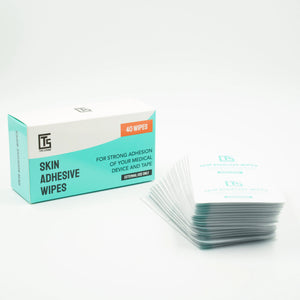
Use adhesive wipes to improve bonding
You can also follow this skin preparation guide to improve adhesion consistency.
During swimming
-
Be mindful of long sessions
-
Reduce friction where possible
-
Reinforce with a secure CGM cover patch
A well-designed waterproof CGM patch helps protect your CGM adhesive from both chlorine and saltwater exposure.
After swimming
-
Rinse with clean water to remove chlorine or salt
-
Pat dry gently
-
Check edges of your CGM adhesive patch
If you notice irritation or changes, this guide on patch-related redness can help you respond early.
Choosing the right support for swimmers
Not all patches perform the same in water. If swimming is part of your lifestyle, your setup matters.
Look for:
-
Flexible materials that move with your skin
-
Breathable but strong adhesive
-
Compatibility with freestyle libre sensor patches, dexcom patches waterproof, and omnipod adhesive patches
Many swimmers find that combining a strong CGM adhesive patch with a reliable CGM cover patch creates more consistent wear.

Supporting your CGM through every swim
Swimming with a CGM should feel manageable, not stressful. While chlorine and saltwater both affect adhesion, small adjustments can make a meaningful difference.
With proper preparation, consistent care, and support from a reliable CGM adhesive patch and CGM cover patch, you can keep your sensor secure and focus on enjoying the water.
References
Diabetes UK (2023) Managing exercise with diabetes. Available at: https://www.diabetes.org.uk
Heinemann, L. (2018) ‘Adhesive issues with continuous glucose monitoring systems’, Journal of Diabetes Science and Technology. Available at: https://journals.sagepub.com
U.S. Food and Drug Administration (FDA) (2022) Skin irritation and medical adhesives. Available at: https://www.fda.gov


