

What your CGM might show after popular holiday treats

If you have ever checked your CGM after a Christmas biscuit or a handful of festive chocolates, you know the feeling. One moment you are enjoying the holidays, and the next your sensor is telling you a story you may not have expected. December eating brings joy, nostalgia, and comfort, but it also brings some of the most unpredictable glucose curves of the year.
The good news is that your CGM is not judging you. It is simply giving you information. When you understand how different Christmas snacks behave in your body, you can enjoy the season with confidence rather than worry.
This guide walks you through what your CGM might show after common holiday treats, why the spikes differ, and how to soften the impact without feeling restricted.
Why holiday snacks hit harder on your CGM
Christmas snacks often combine quick-release carbohydrates, fats, and flavours that make it easy to eat more quickly than planned. Many treats are also eaten during periods of less structure, more sitting, and more grazing.
If you have noticed sharper rises in December, you are not alone. Many users see quick spikes after sugary snacks and longer, sustained elevations after richer desserts.
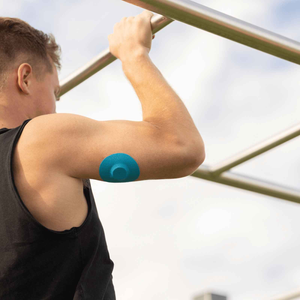
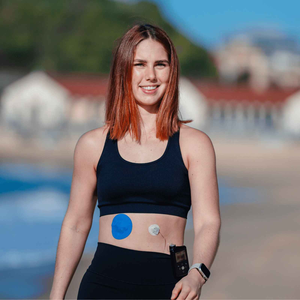
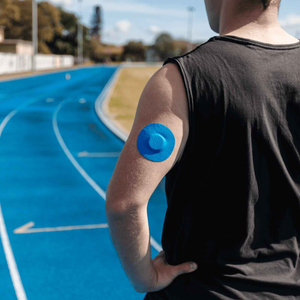
Protecting your sensor with a reliable patch, such as Dexcom G7 patches or Freestyle Libre patches, can help keep your CGM secure while you experiment with foods that behave differently this time of year.
What your CGM might show after common Christmas treats
Every person responds differently, but holiday foods often show predictable patterns on CGM. Here is a simple guide.
Typical CGM patterns after festive snacks
|
Christmas treat |
Why it spikes |
What your CGM might show |
Tips that help |
|
Gingerbread biscuits |
High sugar + refined flour |
Fast rise within 20–30 minutes |
Pair with protein or eat after a meal |
|
Shortbread |
Butter + white flour |
Medium rise, longer elevation |
Smaller portion and a short walk |
|
Fruit mince pies |
High sugar + dried fruit |
Sharp early spike, possible second rise |
Add fibre or have alongside your main meal |
|
Chocolate truffles |
Sugar + fat |
Slower rise that lingers |
Sip water and avoid stacking sweets |
|
Candy canes |
Pure sugar |
Very fast spike, very fast fall |
Have with a fat or protein snack |
For more on how different foods impact CGM data, you may find how food affects your blood glucose levels helpful.

Why some snacks spike quickly and others slowly
1. Carbohydrate type
Simple sugars absorb quickly, causing sharper rises.
2. Fat content
High-fat treats slow digestion, leading to delayed but prolonged elevations.
3. Eating while distracted
Socialising often leads to unintentional quick eating or extra portions.
4. Snack stacking
Several treats in a short window can create multiple CGM rises.
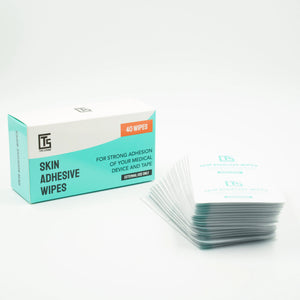
Many users rely on Skin Adhesive Wipes to keep patches secure during long holiday days, especially in warm indoor settings.
How to enjoy Christmas treats without glucose chaos
You can still enjoy festive foods. Small adjustments help soften the impact.
Helpful strategies
- Eat treats after a balanced meal
- Add protein or fibre
- Take a short walk within 20 minutes of eating
- Space treats out instead of grazing
- Stay hydrated
If your patch loosens during parties, warm indoor gatherings, or travel, you may benefit from insights in CGM patches and daily wear.
Medtronic users may also appreciate Medtronic patches for added stability, while others prefer the versatility of the tape roll when reinforcing edges.
People Also Ask
What snacks cause the biggest glucose spikes?
Snacks high in quick-release carbohydrates cause the fastest spikes. Examples include candy canes, iced biscuits, and sweet drinks. Liquids tend to spike more rapidly because they are absorbed quickly.
How can I reduce blood sugar spikes after eating sweets?
Eat sweets after meals, pair them with protein or fibre, walk briefly afterwards, and stay hydrated. Even a small amount of movement can flatten your CGM curve.
Why do high-fat Christmas desserts cause delayed spikes?
Fat slows stomach emptying, delaying carbohydrate absorption. This often leads to a later rise that lasts longer, such as after shortbread, truffles, or cheesecake-style desserts.
Are dried-fruit holiday treats better or worse for blood sugar?
Dried fruit contains concentrated sugar, so mince pies and fruitcake can cause a fast spike followed by a prolonged elevation. Pairing them with a meal or protein source can help.
Bringing it all together
Your CGM is there to support you, not criticise your choices. Holiday snacks are a normal part of December life, and nothing on your sensor should make you feel guilty. Each curve is simply information about what your body needs.

With small adjustments to timing, pairing, and portion size, you can enjoy Christmas treats without feeling like you are battling your readings. And when you are celebrating, travelling, or juggling family events, keeping your sensor secure with options like Dexcom G7 patches, Libre patches, Medtronic patches, and Skin Adhesive Wipes gives you one less thing to worry about.
You deserve a holiday season filled with joy, confidence, and food that makes you happy. Your CGM simply helps you understand the journey along the way.
References
American Diabetes Association (n.d.) Blood glucose and carbohydrate basics. Available at: https://diabetes.org
Harvard T.H. Chan School of Public Health (n.d.) Carbohydrates and blood sugar. Available at: https://www.hsph.harvard.edu/nutritionsource/carbohydrates
National Health Service (NHS) (n.d.) Understanding carbohydrates. Available at: https://www.nhs.uk/live-well/eat-well/food-types/understanding-carbohydrates/
Diabetes UK (n.d.) Glycaemic index and glycaemic load. Available at: https://www.diabetes.org.uk
International Society for Paediatric and Adolescent Diabetes (ISPAD) (2022) Clinical Practice Consensus Guidelines: Nutrition therapy.


