


Intermittent fasting 2.0: What your CGM data really says

Many people try intermittent fasting with the expectation of smooth, predictable glucose lines. But once you start checking your fasting CGM readings, the graph often tells a more complicated story. A morning rise, a sudden midday dip or a shift that seems unrelated to food can make fasting feel confusing, even when you are doing everything right.
If this sounds familiar, you are not alone. Intermittent fasting becomes far easier to understand when you look at real data rather than relying on generic fasting rules. With a CGM, you see how your own body handles fasting hour by hour, which makes fasting 2.0 far more personalised.
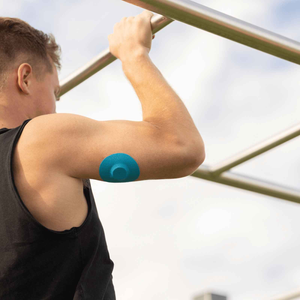
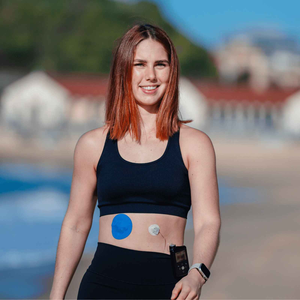
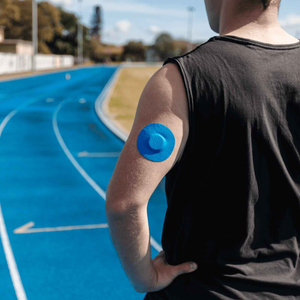
While a CGM patch will not change sensor accuracy or the physiological readings themselves, patches can help keep the device secure during fasting workouts, warm weather or movement. A stable device supports uninterrupted data collection, even though the medical measurement remains entirely controlled by the sensor, not the patch.
Why fasting CGM readings rarely follow a perfect pattern
Intermittent fasting is often presented as a steady, downward curve. In reality, glucose moves due to hormones, sleep quality, morning stress and natural shifts in energy use. Many CGM users expect fasting to flatten their glucose immediately, but it is common for levels to rise, stabilise or dip depending on what the body needs.
If your sensor ever becomes slightly lifted or bumped during a fast, you might see brief erratic points because the sensor itself has physically shifted, not because the patch influenced the reading. Tools such as adhesive wipes or secure patches from our CGM patches collection simply help the device remain firmly in place, especially during movement or sweat.
For clearer fasting CGM readings, preparing the skin properly is essential.
What CGM data typically shows during a fast
While everyone’s fasting profile is different, here are common patterns CGM users report:
|
Pattern during fasting |
What this may indicate |
Typical explanation |
|
Morning rise |
Dawn phenomenon |
Hormones preparing the body to wake up |
|
Flat overnight line |
Stable fasting response |
Efficient overnight regulation |
|
Midday dip |
Activity or extended fast |
Body shifting into stored energy |
|
Stress-related bump |
Cortisol influence |
Natural response to tension or disrupted sleep |
|
Afternoon stability |
Adaptation |
Body settles into fasting rhythm |
These shifts reflect physiology, not fasting mistakes. Small fluctuations are expected.
Why fasting CGM readings sometimes rise
Dawn phenomenon
This is one of the most common reasons for higher readings in the morning. Hormones released before waking naturally elevate glucose levels (American Diabetes Association, 2023). You have not broken your fast. Your body is simply preparing for the day.
Stress
Stress raises cortisol, which temporarily increases glucose even without food. Your CGM displays this in real time, showing how stress influences fasting patterns.

Sleep disruption
Research links poor sleep to less stable glucose regulation (Rickels et al., 2021). If you wake frequently or sleep lightly, your fasting CGM readings may rise the next day.
Dehydration
Not drinking enough water during a fast can concentrate glucose in the bloodstream. Many users report flatter lines when hydration improves.
A secure CGM patch can help prevent your sensor from shifting during morning routines or exercise. This protects continuity of data collection but never changes the sensor’s actual readings.
Why your fasting CGM readings may fall quickly
Fasted movement
A brisk walk, housework or exercise while fasted increases energy use from stored glucose, which can cause gentle dips.
Extended fasting windows
Longer fasting periods often show deeper drops as the body shifts fuel sources.
Warm temperatures
Heat can influence circulation and sweat, which may affect how steady the device feels on your skin. Again, this does not affect glucose measurement but may lead to the sensor becoming less stable if the adhesive loosens.
The CGM patch bundle allows you to combine patches and adhesive wipes to support secure wear when fasting leads to more movement or sweat.
Intermittent fasting 2.0: Letting your CGM guide you
Fasting used to be guesswork. Now you can see your body’s real response.
Your CGM helps you understand:
- How long fasting windows really affect your daily rhythm
- Whether mornings are naturally higher for you
- How stress, hydration and sleep change your glucose
- How quickly you shift into stored energy
- Why two fasting days can look completely different
If you ever notice unusual patterns, you can compare them with your habits and routines rather than assuming something is wrong. For anyone who exercises fasted, our guide on summer protection shows how to keep the device secure through sweat-heavy routines.

People also ask
Why do my fasting glucose levels rise when I haven’t eaten?
This is usually due to dawn phenomenon, stress or sleep patterns. These are natural physiological responses. Fasting CGM readings often rise even without food.
Is it normal for CGM readings to spike during a fast?
Yes. Hormones can cause small rises during fasting. This is expected, and your readings are still accurate as long as the sensor remains secure.
Why do my CGM readings drop quickly during fasting?
Movement, longer fasting windows and warm weather can increase energy use. If the sensor becomes physically displaced, that can also cause brief irregular points.
What does a healthy fasting CGM pattern look like?
There is no single perfect pattern. Many people see a flat overnight line, a morning rise and a stable or gently shifting daytime curve.
Combining CGM support with your fasting routine
Fasting becomes far easier to navigate when you understand your own biology instead of relying on generic fasting diagrams. Your CGM shows you a personalised view of how fasting affects your glucose. Keeping the device protected with the right patch helps ensure consistent wear, especially during sweat, movement or outdoor activity.
Whether you use Libre, Dexcom, Medtronic or Omnipod, secure CGM patches and adhesive wipes help the device remain stable, but they do not influence the accuracy of glucose measurement. They simply support uninterrupted data collection so you can trust the patterns you see.
Intermittent fasting 2.0 means using your own data, your own patterns and your own experience to shape a routine that feels sustainable and realistic.


