

Real-life CGM readings in December: What changes and why

December has a way of turning your usual routines upside down. One week you are eating balanced meals at your desk, and the next you are at three Christmas gatherings in a row, sharing food you did not plan for. If your CGM readings in December seem higher, jumpier or just different from what you see in other months, you are not imagining it. This time of year genuinely shifts how your body responds, and you are definitely not alone in noticing it.
Many CGM users tell us that December feels like the hardest month for stability. Between richer meals, late nights, travel days, cold weather and the general stop-start rhythm of the season, your readings can start behaving in unexpected ways. The good news is that once you understand why this happens, you can move through the month with more confidence and a lot less stress.
Why CGM readings in December tend to change
Even when you are doing your best to stay mindful, December brings three big changes: food, routine and environment. Each one can nudge your numbers in its own way.
Seasonal foods are heavier and slower to digest
Holiday meals often contain a mix of carbohydrates and fats that digest differently to what you might eat during a normal week. Your CGM readings in December might show a delayed rise after meals, or a longer high, simply because your body has more to work through.

Sleep, timing and routine fall out of rhythm
When your sleep pattern shifts or you eat later than usual, your glucose response shifts too. Many users report seeing more overnight spikes or early-morning highs during December. Our post on hot weather, cold weather and changing seasons explains how even temperature alone can affect readings.
Movement drops without you realising
Shorter days and busy schedules can mean fewer micro-movements and spontaneous walks. If this sounds familiar, our blog on desk job micro moves offers small habits that truly help when life gets hectic.
A quick breakdown: What causes December glucose shifts?
Here is a simple table explaining why CGM readings in December tend to look different and what you can do about it.
|
December challenge |
What it does to your CGM readings |
Helpful adjustments |
|
Rich meals with more carbs |
Slower digestion, extended highs |
Take a short walk after eating, choose balanced portions |
|
Irregular sleep and late nights |
Higher morning readings |
Aim for consistent sleep when possible |
|
More holiday treats |
Faster glucose peaks |
Pair sweets with protein or fibre |
|
Travel and social plans |
Skipped meals or inconsistent timing |
Keep simple snacks on hand |
These shifts are common and do not mean you are doing anything wrong. They simply reflect the season you are living in.
How to protect your sensor when routines get chaotic
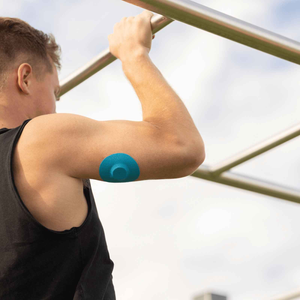
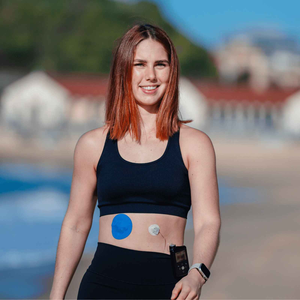
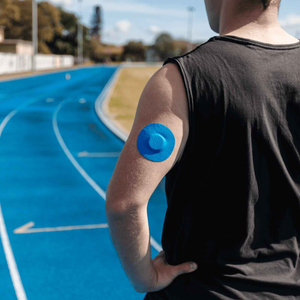
If you are out at events, travelling, or wearing winter layers that rub against your device, you might notice adhesion problems at the worst possible moment. A loose sensor can lead to inaccurate CGM readings in December, especially if cold-weather clothing repeatedly pulls at the edges.

Many users rely on secure CGM patches to keep sensors steady during busy months. If you know your December wardrobe includes jumpers, jackets and long sleeves, you may want extra support such as:
- Dexcom G7 patches: https://www.type-strong.com/products/dexcom-g7-patches-20-pack
- Freestyle Libre patches: https://www.type-strong.com/products/freestyle-libre-adhesive-patches
- Medtronic Guardian patches: https://www.type-strong.com/products/medtronic-guardian-adhesive-patches
- Or the full CGM patch collection: https://www.type-strong.com/collections/cgm-patches
For longer holidays or back-to-back events, many users choose the patch bundle so they never run out during critical wear time: https://www.type-strong.com/products/product-bundle
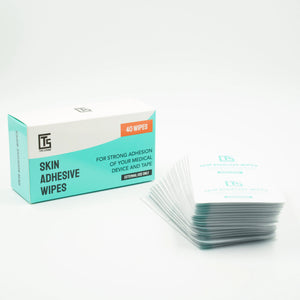
If skin prep is part of the issue, especially in cold and dry weather, see our guide on how to prep your skin for better adhesion and our post on post-adhesive skin care to protect your skin barrier during winter.
What CGM users say they notice most in December
From community feedback and dozens of shared experiences, four patterns come up again and again when people review their CGM readings in December.
1. Spikes hold longer
Mixed meals, slower digestion and lower movement can extend the time your numbers stay elevated.
2. Morning highs become more common
Late nights, disrupted sleep and Christmas events all contribute to morning insulin resistance.
3. Pre-meal dips happen less
Snacking between gatherings is common, which means fewer clean pre-meal readings and more overlapping glucose curves.
4. Sensors get knocked or loosened more
Jumpers, coats and bags can pull at adhesives. If this keeps happening, you might find our post on why athletes and active users keep spare CGM patches surprisingly relevant for holiday life too.
People also ask...
These FAQs are taken from real Google and Bing searches around December glucose changes.
Why do my blood sugar levels rise in December?
December brings richer food, irregular routines, more snacking and less movement. All of these can naturally affect how your body processes glucose, and your CGM readings in December reflect these changes.
Do colder temperatures affect CGM accuracy?
Cold weather can influence circulation and insulin absorption, which may show up as higher or slower-moving readings. Sensors also need to be kept within their recommended temperature range. See our post on why your CGM sensor needs extra protection in summer, which also applies to extreme cold.
Why do I see more overnight spikes during Christmas?
Later meals, broken sleep and holiday stress can increase overnight insulin resistance. Many users notice higher readings around bedtime and in the early morning.
How can I stabilise my CGM readings in December?
Small habits make a big difference: short post-meal walks, staying hydrated, choosing balanced meals and protecting your sensor with a reliable patch. Internal routines matter more than perfection.
Gentle tips for navigating December without guilt
If your CGM readings in December look more chaotic than usual, remind yourself of this: your life is meant to include celebration, connection and flexibility. This month is not a test of willpower. It is a reminder that glucose is influenced by real life, not just numbers.
You are allowed to enjoy Christmas food. You are allowed to rest. You are allowed to have a month that looks different on your CGM graph.

With the right information, supportive tools like secure CGM patches, and a bit of kindness towards yourself, you can move through December confidently and set yourself up for a steady start to the new year.
If you would like revisions, rewrites, a different tone or a second version, just tell me.
References
American Diabetes Association (2024) Cold weather and diabetes: How temperature affects insulin and glucose response. Available at: https://diabetes.org/
Harvard T.H. Chan School of Public Health (2024) Carbohydrates and blood sugar. Available at: https://www.hsph.harvard.edu/nutritionsource/carbohydrates/carbohydrates-and-blood-sugar/
International Diabetes Federation (2023) Influence of seasonal variation on glucose control in people with diabetes. Available at: https://idf.org/
Johns Hopkins Medicine (2024) Sleep and blood glucose regulation. Available at: https://www.hopkinsmedicine.org/
National Health Service (NHS) UK (2024) Diet, digestion and blood sugar. Available at: https://www.nhs.uk/
National Institutes of Health (NIH) (2023) Effects of high-fat mixed meals on postprandial glucose. Available at: https://www.nih.gov/
World Health Organization (2024) Physical activity and glucose metabolism. Available at: https://www.who.int/


