

Safe driving with diabetes: CGM alerts, snacks, and what to keep in your car

If you live with diabetes, you already juggle a lot—food, activity, glucose checks, maybe medication timing. Add driving to that mix, and there’s one more thing to manage: staying alert and in range behind the wheel. Whether you’re an experienced driver, a parent teaching a teen, or someone planning their next road trip, a bit of preparation makes driving with diabetes calmer and safer.
Disclaimer: This article is for educational purposes only. Always follow your healthcare professional’s advice for personal medical care.
Why diabetes changes how you plan for the road
It’s easy to forget that driving uses more focus than we think. A quick change in glucose can blur your vision, slow reaction time, or make you light-headed. That’s why a continuous glucose monitor (CGM) can be such a lifesaver.
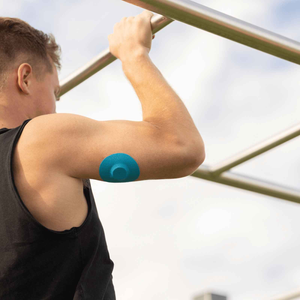
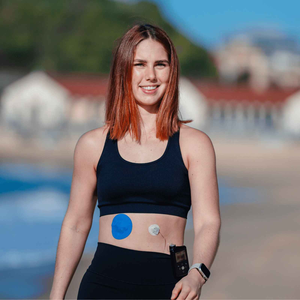
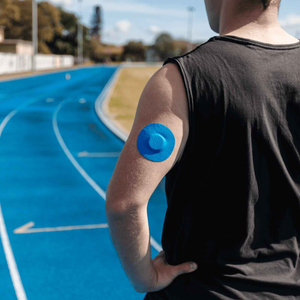
Real-time alerts give you a heads-up before your numbers drift out of range—but only if your CGM patch stays secure. A patch that lifts or loses grip during a long drive can mean missed data and less warning time. Many people choose long-wear CGM patches built to handle heat, movement, and sweat, so readings stay steady even on busy days or long commutes.
Common driving risks and how to handle them
|
Situation |
What can happen |
What helps most |
|
Low blood glucose |
Shakiness, slower reactions, confusion |
Check your CGM before driving; treat and wait if under target |
|
High blood glucose |
Fatigue, blurry vision, dehydration |
Drink water and adjust insulin if advised |
|
Patch lifting |
Missed alerts, wrong readings |
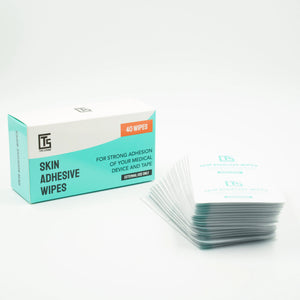
Prep clean skin, use adhesive wipes |
|
Forgotten supplies |
Can’t treat a low on the road |
Keep a stocked car kit with snacks and wipes |
A few minutes of preparation before every drive can prevent hours of stress later. If you’re unsure how to keep patches in place, check our guide to proper skin prep.

Your quick pre-drive checklist
Think of it like a pre-flight check—simple but worth doing every time:
- Look at your CGM reading. Make sure you’re in your safe range.
- Check your patch edges. If it’s starting to lift, reinforce it.
- Pack easy carbs. Glucose tablets, jellybeans, or juice boxes.
- Drink some water. It helps focus and keeps glucose steadier.
- Plan a stop. On long drives, pull over every couple of hours to stretch and recheck.
This habit soon becomes second nature, and it could stop a small dip from turning into a dangerous one.
What to keep in your car
|
Category |
Must-have items |
Why they matter |
|
Glucose care |
Glucose tablets, small juice, cereal bar |
For quick recovery if you drop low |
|
Patch & skin care |
Spare CGM patches, adhesive wipes, alcohol pads |
Keeps sensors attached and clean |
|
Cooling & comfort |
Insulin cooler, water, tissues |
Prevents insulin spoilage and dehydration |
|
Info & ID |
Medical ID card, contact list |
Helps responders if there’s an emergency |
Keep everything in a small pouch so you can grab it quickly if you change cars.
Helping teens build confidence behind the wheel
If your teen lives with diabetes, handing them the keys can feel nerve-racking. Encourage a few simple rules:
- Check glucose before every trip
- Stop the car if an alert goes off
- Keep quick snacks within reach
- Never drive if levels are low
It helps to keep patch bundles at home so replacements are always available. Teens gain independence faster when they know their gear won’t fail mid-drive.
Patch tip before a big day
If you’ve got a long drive tomorrow, apply your new CGM patch the night before. The adhesive will fully cure overnight and resist friction from seatbelts or heat. You can read more about prepping your skin properly to make each patch last its full wear time.

How CGM alerts protect you on the move
Those tiny buzzes or beeps from your CGM aren’t distractions—they’re lifesavers. They tell you when you’re trending low or high before you feel it. Customising your alert levels for driving hours means you’ll always have time to pull over safely.
If you’re driving in summer, remember that heat can weaken adhesives. Our post on why your CGM sensor needs extra protection in summer explains how to stop that from happening.
You can also learn from active users in how Dexcom overpatches improve comfort during workouts—the same tricks help during long road trips.
People also ask
Can I drive when my blood sugar is low?
No. Treat the low, wait 15 minutes, and recheck before driving again.
What’s a safe glucose range for driving?
Usually between 5 mmol/L (90 mg/dL) and 10 mmol/L (180 mg/dL), but follow your clinician’s advice.
How do I stop my patch peeling in hot cars?
Use adhesive wipes, pat the skin dry, and pick a heat-resistant patch.
Should I silence CGM alerts while driving?
Never. They’re there to protect you—pull over if one sounds.
Drive safely, stay confident
Driving with diabetes doesn’t mean giving up freedom. It means being smart about preparation. With a steady glucose routine, a secure patch, and a few supplies on hand, you can focus on the road—not your numbers.
At Type Strong, we design products that keep your CGM secure wherever life takes you—from adhesive wipes that improve hold to CGM patches that stay strong through travel, work, and weather.
Safe driving starts with small habits—and a patch that stays exactly where you need it.
References
Diabetes UK (2024) Driving and diabetes: Staying safe on the road. Available at: https://www.diabetes.org.uk/guide-to-diabetes/life-with-diabetes/driving (Accessed 22 October 2025).
National Institute for Health and Care Excellence (NICE) (2023) Type 1 diabetes in adults: diagnosis and management (NG17). Available at: https://www.nice.org.uk/guidance/ng17 (Accessed 22 October 2025).
Centers for Disease Control and Prevention (CDC) (2024) Safe driving with diabetes. Available at: https://www.cdc.gov/diabetes/managing/diabetes-and-driving.html (Accessed 22 October 2025).
American Diabetes Association (ADA) (2024) Standards of Medical Care in Diabetes – 2024. Available at: https://diabetesjournals.org/care (Accessed 22 October 2025).
Department for Transport (UK) (2023) Assessing fitness to drive: a guide for medical professionals. Available at: https://www.gov.uk/guidance/assessing-fitness-to-drive-a-guide-for-medical-professionals (Accessed 22 October 2025).


