


How to Tell if Your CGM Patch is Causing a Reaction

How to tell what is causing it
Check three things: where the redness sits, how quickly it appeared, and whether it itches or stings. Redness confined to the exact shape of an overpatch that showed up within an hour usually points to friction or moisture, something you can fix tonight. A sharply outlined, itchy reaction under the sensor itself that built up over hours or days points toward an allergic response to the sensor's own adhesive, which no patch will resolve. Working through those three questions in order takes about thirty seconds and tells you which section of this page to read next.

The thirty second check
Where is it?
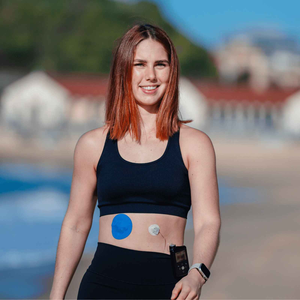
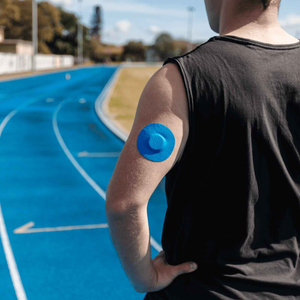
Look at exactly where the redness sits. If it's confined to the ring or rectangle shape of an overpatch, the patch adhesive is the more likely cause. If it's under the sensor housing itself, in the exact footprint of the device, the sensor's own factory adhesive is more likely responsible, and that's a different problem with a different fix.
How fast did it appear?
Irritant reactions tend to show up within minutes to a few hours of application, since they're caused by direct friction or trapped moisture rather than an immune response. Allergic reactions are often delayed, appearing anywhere from several hours to a few days after contact, and can even develop after months or years of trouble-free use of the exact same product, since the immune system's sensitization builds up with repeated exposure.
Does it itch or sting?
A stinging or burning sensation with dry, chapped-looking skin roughly the shape of the device points toward irritation. Persistent itching, especially itching that gets worse rather than better over the following day, points more toward an allergic response.
Two adhesives, two causes: the patch adhesive and the sensor's own
Every CGM sensor, whether it's a Dexcom G6, Dexcom G7, Dexcom ONE+, FreeStyle Libre 2, FreeStyle Libre 3, Medtronic Guardian, or Omnipod, arrives with its own factory adhesive built into the device housing. An overpatch is a separate product, made from different material, applied over the top to reinforce that bond. A reaction to one doesn't necessarily mean a reaction to the other, and the fix is different depending on which one is responsible. Switching overpatch brands changes nothing if the sensor's own adhesive is the actual trigger, and no amount of skin prep changes the chemistry of a factory adhesive that genuinely doesn't suit your skin.

Allergic or irritant, and why the difference changes what you do
Irritant contact dermatitis is skin damage from friction, trapped moisture, or a harsh substance breaking down the skin barrier directly. It's not an immune response, which is also why it's the more common of the two: heat, sweat, and ordinary daily movement wear down the skin barrier faster than a single contact would. It tends to improve within three to seven days once the cause, usually moisture or rubbing, is addressed.
Allergic contact dermatitis happens when your immune system identifies a specific chemical as a threat and mounts a response. It's typically sharply outlined to the device's exact shape, itchy rather than stinging, and can worsen with repeated exposure over time rather than settling on its own. Left alone, it commonly takes two to four weeks to fully resolve, longer for severe cases, which is a meaningfully different timeline than irritation and a good reason to treat the two differently rather than reaching for the same fix.
This distinction matters because it changes what you do next. Irritation usually responds to better skin prep and a breathable, well-fitted patch. Allergy requires identifying and avoiding the specific trigger, which sometimes means a genuinely different adhesive material rather than a different brand of the same chemistry.
What is causing your skin to react
Beyond the friction and moisture already covered, CGM and patch adhesives use chemical compounds, most commonly acrylates, chosen for how strongly they bond over a multi-day wear cycle. That strength is exactly what makes some of them capable of triggering a reaction. Isobornyl acrylate, identified in the adhesive of several CGM systems, has been documented in multiple published case series as a cause of allergic contact dermatitis in CGM and insulin pump users, confirmed through formal patch testing and gas chromatography-mass spectrometry in the original research. Colophony-based adhesives, an older resin-based glue technology, are a separate documented allergen sometimes found in medical tapes. Contact dermatitis from medical adhesives generally is thought to affect a meaningful share of the population who wear them regularly, though estimates vary by study population and device type.
Normal versus not normal
|
Sign |
Usually normal |
Worth acting on |
|
Redness after removal |
Fades within a few hours |
Persists more than 6 hours |
|
Outline shape |
Faint circular or rectangular mark |
Sharply defined, spreading beyond the device shape |
|
Itching |
Mild, present on day one only |
Persistent, worsening over 24 to 48 hours |
|
Bumps |
Small, gone by the next day |
Blistering or weeping |
|
Pattern over time |
Same mild response each cycle |
Getting worse with each new application |
|
Surrounding skin |
Unaffected |
Warmth, spreading redness, pus, red streaks |
What to do when you're having a reaction
-
Remove the patch or sensor if the reaction is significant. Losing sensor time is frustrating, but it's not worth pushing through a genuinely bad reaction.
-
Clean gently with lukewarm water and mild soap. Skip alcohol wipes while skin is already irritated, since they can worsen it.
-
Use a cool compress for 10 to 15 minutes, a few times a day, to ease itching and swelling.
-
Consider hydrocortisone cream for mild to moderate inflammation, applied thinly, and not for more than a week without medical advice.
-
An oral antihistamine can help with itching, particularly overnight.
-
A zinc oxide barrier cream can protect healing skin while it settles.

What a patch can and cannot fix
This is worth stating plainly: if the reaction is under the sensor itself, in the exact footprint of the device housing, it's the sensor's own factory adhesive causing it, and no overpatch, however hypoallergenic, will resolve that. A simple way to confirm this is to wear your next sensor without an overpatch for one cycle. If the same reaction appears in the same spot without the overpatch present, the sensor's own adhesive is the cause. If the reaction is milder or absent without the overpatch, the overpatch material was the more likely trigger, and switching to a different hypoallergenic, latex-free overpatch is a reasonable next step. Worth knowing too: "hypoallergenic" carries no legal or regulatory definition, so the material list a brand will actually disclose matters more than the label itself.
How to prevent it in the first place
The best reaction is no reaction. A few habits reduce risk regardless of which adhesive is involved:
-
Prep your skin properly. Clean with an alcohol wipe and let it dry completely before either the sensor or an overpatch goes on.
-
Rotate your sites. Give each area at least one to two weeks to recover before reusing it.
-
Consider a barrier product. A thin film designed for medical adhesives, applied between skin and device, can reduce irritant reactions specifically.
-
Control moisture. Use water-resistant covers for swimming and heavy sweat, and make sure the site dries fully afterward.
-
Avoid doubling up unnecessarily. Extra layers of adhesive trap heat and can increase friction rather than adding protection. See our guide on layering CGM patches if you're considering this.
Choosing a patch if your skin is reactive
If your reaction turns out to be the overpatch rather than the sensor's own adhesive, a hypoallergenic, latex-free, breathable overpatch cut for your specific device is the right next step. Our dedicated guide on CGM patches for sensitive skin covers Dexcom-specific options in depth, and our piece on what makes a patch hypoallergenic breaks down the actual materials worth checking for, rather than relying on the label alone. Everyone's skin differs, and our guide on why some skin types react differently is worth a read if you've had inconsistent results with the same product.
Looking after the skin long term
-
Keep skin generally healthy. Fragrance-free moisturiser and good management of any underlying skin condition, such as eczema, both help.
-
Keep a simple log. Note when reactions happen, how severe they were, and what product was in use. Patterns often emerge that aren't obvious in the moment.
-
Photograph reactions, especially if you can't get to a clinician while they're active. It helps a healthcare provider assess severity later.
-
Basic nutrition supports skin repair. Adequate protein, vitamin C, and zinc all play a role in normal healing.

When to stop and speak to someone
Stop using the product at that site and speak with a clinician if you notice blistering, weeping skin, a rash spreading well beyond the device's footprint, signs of infection such as warmth, pus, or red streaks, or a reaction that persists beyond a week or worsens with each new application. This page is general information, not a diagnosis, and a persistent or severe reaction deserves a proper clinical assessment rather than another round of product-swapping.
People also ask
What are the symptoms of an allergic reaction to a CGM? Sharply outlined redness matching the device's shape, persistent itching, swelling, and sometimes small blisters. Symptoms can appear anywhere from hours to a few days after application and may worsen with repeated exposure to the same product over time.
How long does it take for an adhesive reaction to go away? Irritant reactions typically settle within three to seven days once the cause is addressed. Allergic reactions generally take two to four weeks to fully resolve, and longer for severe cases, which is why treating the two differently matters.
How can I treat a Dexcom rash? Remove the sensor or patch if the reaction is significant, clean gently with lukewarm water and mild soap, use cool compresses for itching and swelling, and consider a thin layer of hydrocortisone cream for mild to moderate inflammation. See a clinician if it worsens, spreads, or doesn't improve within a week or two.
What are the potential side effects of using a diabetes sensor patch? The most common are irritant contact dermatitis from friction or trapped moisture, and less commonly, allergic contact dermatitis to a specific adhesive chemical. Both are manageable with proper skin prep, site rotation, and choosing a hypoallergenic, latex-free, breathable patch material.
Is it the patch or the sensor causing my reaction? Wearing your next sensor for one cycle without an overpatch is the simplest way to tell. If the reaction persists without the overpatch, the sensor's own factory adhesive is the likely cause, and no overpatch will resolve it.
When should I stop and see a doctor? If you notice blistering, weeping, spreading redness, signs of infection, or a reaction lasting more than a week or worsening with each application, stop using the product at that site and seek a clinical assessment.
References
-
Herman, A., Aerts, O., Baeck, M., et al. "Allergic contact dermatitis caused by isobornyl acrylate in FreeStyle Libre, a newly introduced glucose sensor." Contact Dermatitis, 2017;77(6):367-373.
-
Kamann, S., Aerts, O., Heinemann, L. "Further evidence of severe allergic contact dermatitis from isobornyl acrylate while using a continuous glucose monitoring system." Journal of Diabetes Science and Technology, 2018;12(3):630-633.
-
National Center for Biotechnology Information. "Contact dermatitis from medical adhesives." pmc.ncbi.nlm.nih.gov/articles/PMC6170075
-
MedlinePlus Medical Encyclopedia. "Contact dermatitis." medlineplus.gov/ency/article/000869.htm


