

Wearing a CGM as an Elderly Adult: Fragile Skin, Easy Removal, and Help from a Carer

Continuous glucose monitors (CGMs) are helping more older adults manage diabetes with greater confidence. Whether you live with type 1 diabetes or type 2 diabetes, a CGM can provide valuable insights into your glucose levels without the need for frequent finger pricks.
For many older adults, however, the biggest concern is not the technology itself. It's protecting fragile skin, keeping the sensor securely attached, and removing it without causing pain or skin tears.
The good news is that with the right preparation, gentle removal techniques and a quality CGM overpatch, most older adults can wear a CGM comfortably throughout its full lifespan.

Quick answer: Is a CGM suitable for older adults?
Yes. A continuous glucose monitor (CGM) can be an excellent option for older adults living with diabetes. Many studies show CGMs can improve glucose management, reduce episodes of hypoglycaemia and make diabetes easier to manage, particularly for people using insulin.
Older skin is naturally thinner and more delicate than younger skin, so extra care should be taken when applying and removing sensors. Using gentle skin preparation, careful removal techniques and a hypoallergenic overpatch can help protect fragile skin while keeping the sensor secure.

Why more older adults are using CGMs
CGMs are becoming increasingly common among older adults, especially people living with type 2 diabetes who use insulin. Rather than relying on occasional blood glucose checks, a CGM measures glucose levels throughout the day and night.
Popular CGMs include:
-
Dexcom G6
-
Dexcom G7
-
Dexcom ONE+
-
FreeStyle Libre 2
-
FreeStyle Libre 3
-
Medtronic Guardian
-
Omnipod systems with integrated CGM compatibility
Many healthcare professionals recommend CGMs because they can:
-
Detect high and low glucose levels earlier
-
Reduce severe hypoglycaemia
-
Improve time in range
-
Reduce the need for finger prick testing (where appropriate)
-
Give family members and carers greater peace of mind through glucose sharing features
If you're new to CGMs, you might also like our guide on why CGM use is rising among people with type 2 diabetes.
Why older skin needs a gentler approach
One of the biggest differences between younger and older CGM users is skin health.
As we age, the skin naturally becomes:
-
thinner
-
less elastic
-
drier
-
slower to heal
-
more prone to bruising and tearing
The medical term medical adhesive-related skin injury (MARSI) describes skin damage caused by medical adhesives. Older adults are among the groups most at risk because adhesive can sometimes lift the top layer of fragile skin during removal.
This doesn't mean you shouldn't wear a CGM. It simply means it's worth taking a gentler approach.

Why skin tears happen
Skin tears often occur when:
-
adhesive is pulled off too quickly
-
the sensor catches on clothing or bedding
-
a CGM falls off early and needs replacing
-
skin has become fragile from ageing, medications or chronic illness
One simple way to reduce unnecessary removals is to help your CGM stay attached for its full wear period.

How to keep a CGM on thin, fragile skin
A sensor that stays in place is less likely to need early replacement, which means fewer removals and less stress on delicate skin.
Here are some simple tips.
Clean the skin first
Wash the area with mild soap and water and allow it to dry completely.
Avoid moisturisers, oils and sunscreen immediately before application, as these can reduce adhesion.
Choose an appropriate location
Follow your CGM manufacturer's guidance for approved insertion sites.
Avoid:
-
broken skin
-
bruises
-
scars
-
areas that rub against waistbands
-
areas with frequent movement
Consider a skin barrier wipe
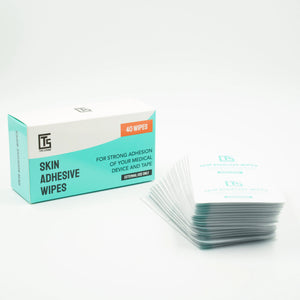
Some people benefit from skin barrier wipes, which can help protect the skin beneath adhesives.
If your diabetes educator recommends them, apply according to the manufacturer's instructions before inserting your CGM.
Use a hypoallergenic overpatch
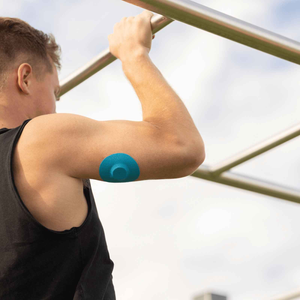
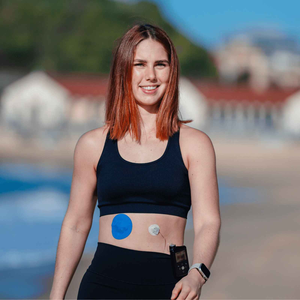
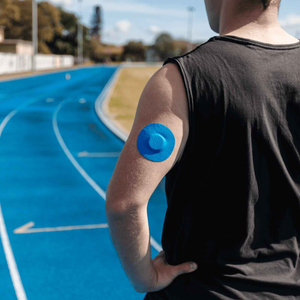
An overpatch helps secure your sensor by reinforcing the adhesive around it.
Rather than making the adhesive stronger against your skin, it provides additional support around the sensor so it's less likely to catch on clothing, towels or bedding.
Type Strong overpatches are:
-
hypoallergenic
-
latex-free
-
designed for extended wear
-
water resistant
-
suitable for swimming, showering and exercise
-
made to fit popular CGM devices including Dexcom and FreeStyle Libre sensors
Keeping the sensor secure often means it reaches the end of its intended wear period, reducing unnecessary removals that can irritate fragile skin.
You may also find our guide on how to prepare your skin before applying a CGM patch helpful.
Getting a CGM on when hands are less steady
Reduced hand strength, arthritis or tremors can make applying a CGM more challenging.
A few simple adjustments can make the process easier.
Sit comfortably
Apply the sensor while seated at a stable table with good lighting.
Prepare everything first
Before opening the sensor, lay out:
-
your CGM
-
overpatch
-
alcohol wipe (if recommended)
-
adhesive barrier wipe (if used)
Apply the overpatch carefully
Once the sensor is in place:
-
smooth the overpatch from the centre outward
-
avoid stretching it too tightly
-
press gently around the edges
This helps reduce wrinkles that may lift over time.
If applying a patch with one hand is difficult, our one-handed patch application guide includes simple techniques that can help.
How to remove a CGM without tearing the skin
Gentle removal is just as important as gentle application.
Follow these steps.
1. Loosen one edge
Lift one corner slowly rather than pulling from the middle.
2. Use adhesive remover if needed
Medical adhesive remover wipes or sprays can help dissolve the adhesive, making removal much easier.
Apply according to the product instructions.
3. Peel slowly
Support the surrounding skin with one hand while slowly rolling the adhesive back over itself.
Avoid pulling upwards.
4. Continue gradually
If you feel resistance, pause and apply more adhesive remover.
Never force the adhesive off quickly.
5. Care for your skin afterwards
Once the sensor is removed:
-
gently wash away any adhesive residue
-
pat the skin dry
-
apply a fragrance-free moisturiser if appropriate
-
allow the area to recover before using the same site again
For a more detailed walkthrough, read our guide on removing a CGM without damaging your skin.
How a Type Strong overpatch helps older adults
Many people assume an overpatch is simply about stronger adhesion.
In reality, it can also support healthier skin.
Because the sensor stays securely attached, you're less likely to experience:
-
accidental knock-offs
-
partially lifted sensors
-
emergency replacements
-
repeated adhesive removal from the same area
Type Strong overpatches are designed specifically to support popular CGM systems while remaining gentle on sensitive skin.
Their hypoallergenic, latex-free material is suitable for many people with sensitive skin and is designed to stay secure through everyday life, including exercise, swimming, showering and hot weather.
For older adults, fewer unnecessary sensor changes can mean fewer opportunities for skin irritation.
When a carer or family member helps
Many older adults have a partner, adult child or professional carer assisting with diabetes management.
Applying a CGM together can make the process much easier.
Carers can help by:
-
checking the skin before application
-
ensuring the sensor is correctly positioned
-
smoothing the overpatch evenly
-
helping remove sensors slowly
-
monitoring for redness or skin irritation
If you're supporting someone living with diabetes, our guide on caring for someone with diabetes provides additional practical advice.

When should you seek medical advice?
Speak with your healthcare team if you notice:
-
persistent redness lasting more than a day
-
blistering
-
open skin wounds
-
signs of infection
-
repeated allergic reactions
-
frequent sensor failures despite correct application
A diabetes educator or healthcare professional may recommend alternative insertion sites, different skin preparation methods or specialised adhesive products.
Gentle overpatch options for popular CGMs
|
CGM device |
Compatible with Type Strong overpatch |
Suitable for active lifestyles |
Hypoallergenic material |
|
Dexcom G6 |
✓ |
✓ |
✓ |
|
Dexcom G7 |
✓ |
✓ |
✓ |
|
Dexcom ONE+ |
✓ |
✓ |
✓ |
|
FreeStyle Libre 2 |
✓ |
✓ |
✓ |
|
FreeStyle Libre 3 |
✓ |
✓ |
✓ |
|
Medtronic Guardian |
✓ |
✓ |
✓ |
The bottom line
Wearing a CGM as an older adult doesn't have to mean worrying about fragile skin.
By preparing the skin carefully, using gentle removal techniques and choosing a quality hypoallergenic overpatch, you can help your sensor stay secure while reducing unnecessary skin irritation.
Whether you're managing diabetes yourself or helping an elderly parent or loved one, a little extra care during application and removal can make wearing a CGM more comfortable and more reliable.
At Type Strong, our CGM overpatches are designed to provide durable, hypoallergenic support for popular glucose monitors, helping your sensor stay where it belongs through everyday life, exercise and water activities while being gentle on sensitive skin.
Frequently Asked Questions
Can elderly people wear a CGM?
Yes. CGMs are widely used by older adults with both type 1 and type 2 diabetes. Many healthcare providers recommend them because they can improve glucose monitoring and help reduce episodes of low blood sugar.
Why does older skin tear more easily?
As we age, the skin becomes thinner, less elastic and slower to heal. This makes it more susceptible to injury from strong adhesives and rapid removal.
Can a carer apply a CGM?
Absolutely. Many family members and carers help apply CGMs and overpatches. Applying the sensor together can be easier for people with arthritis, tremors or reduced hand strength.
Should older adults use an overpatch?
Many older adults find an overpatch helpful because it keeps the CGM securely attached, reducing the chance of accidental loss and unnecessary sensor replacements.
How do you remove a CGM without damaging fragile skin?
Remove it slowly, support the surrounding skin, use an adhesive remover if necessary and peel the adhesive back over itself rather than pulling upwards.
Are Type Strong patches suitable for sensitive skin?
Type Strong overpatches are made from hypoallergenic, latex-free materials designed to be gentle on sensitive skin while providing durable support during everyday activities, including swimming, showering and exercise.


