



Type 1 vs Type 2 Diabetes: What’s the Difference?

Many people hear the word diabetes and assume it refers to one single condition. In reality, there are several forms of diabetes, with type 1 and type 2 diabetes being the most common.
Understanding the difference between type 1 vs type 2 diabetes helps remove misconceptions and makes it easier for people living with diabetes to explain their condition to others. Both conditions affect how the body manages glucose, but the causes, onset and treatment approaches are very different.
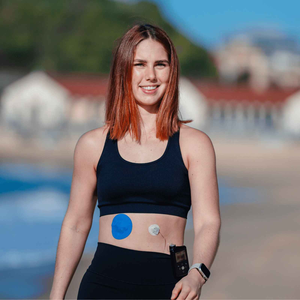
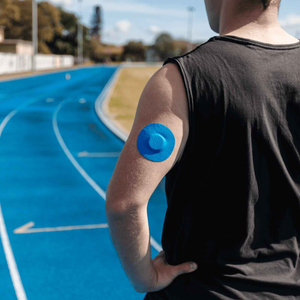
Today, many people also rely on technology such as continuous glucose monitoring patches and CGM sensors to better understand how their glucose levels change throughout the day. These tools allow people to track patterns and make more informed decisions about food, activity and medication.
What diabetes actually means
Diabetes occurs when the body cannot properly regulate glucose in the bloodstream.
Glucose is the body’s main source of energy and comes primarily from carbohydrates in food. To move glucose from the bloodstream into the body’s cells, the body relies on a hormone called insulin.
Insulin works like a key that unlocks cells so glucose can enter and be used for energy.
When insulin is missing or not working properly, glucose builds up in the bloodstream. Over time, high glucose levels can damage blood vessels, nerves and organs if they are not managed carefully.
For many people, monitoring tools such as CGM sensors and cgm patches help track glucose trends and keep sensors secure during everyday activities.
If you are new to CGM technology, our guide Do you really need a patch for your CGM? A beginner’s guide explains why many CGM users choose to add extra protection for their sensors.
Type 1 vs type 2 diabetes: the key differences
Although both conditions involve high blood glucose, their causes and management strategies are very different.
|
Feature |
Type 1 diabetes |
Type 2 diabetes |
|
Cause |
Autoimmune attack on insulin-producing cells |
Insulin resistance or reduced insulin production |
|
Insulin production |
Little or no insulin produced |
Insulin produced but not used effectively |
|
Onset |
Often develops quickly |
Usually develops gradually |
|
Typical age |
Often diagnosed in children or young adults |
More common in adults |
|
Treatment |
Insulin therapy required |
Lifestyle changes, medication or insulin |
Understanding these differences helps explain why treatment plans can vary significantly from person to person.
What causes type 1 diabetes
Type 1 diabetes is an autoimmune condition.
The body’s immune system mistakenly attacks the beta cells in the pancreas that produce insulin. Once these cells are destroyed, the body can no longer produce insulin naturally.
People with type 1 diabetes therefore need insulin every day to regulate their blood glucose levels.

Researchers believe several factors may contribute to the development of type 1 diabetes, including:
-
Genetic predisposition
-
Environmental triggers
-
Immune system responses
Importantly, type 1 diabetes is not caused by diet or lifestyle choices.
Many people living with type 1 diabetes use insulin pumps and continuous glucose monitoring systems to help track glucose levels and respond to changes throughout the day.
What causes type 2 diabetes
Type 2 diabetes develops when the body becomes resistant to insulin or cannot produce enough insulin to keep blood glucose levels stable.
In this situation, the pancreas still produces insulin, but the body’s cells do not respond to it effectively. This is known as insulin resistance.
Over time, the pancreas may struggle to produce enough insulin to compensate.
Several factors may increase the risk of developing type 2 diabetes, including:
-
Age
-
Family history
-
Physical inactivity
-
Higher body weight
-
Certain ethnic backgrounds
-
History of gestational diabetes
Unlike type 1 diabetes, some of these risk factors can be modified through lifestyle changes such as improved diet and increased physical activity.
Symptoms of type 1 and type 2 diabetes
Both types of diabetes share similar symptoms caused by high blood glucose levels.
Common symptoms include:
-
Frequent urination
-
Increased thirst
-
Fatigue
-
Unexplained weight loss
-
Increased hunger
-
Blurred vision
-
Slow healing wounds
-
Recurrent infections
However, how quickly symptoms appear can differ significantly.
Type 1 diabetes symptoms
Symptoms of type 1 diabetes often appear quickly, sometimes within weeks.
The most common warning signs are known as the 4 Ts:
-
Toilet - frequent urination
-
Thirsty - extreme thirst
-
Tired - unusual fatigue
-
Thinner - sudden weight loss
Without treatment, type 1 diabetes can lead to diabetic ketoacidosis (DKA), which requires urgent medical care.
Type 2 diabetes symptoms
Type 2 diabetes often develops slowly over several years.

Many people may not notice symptoms at all during the early stages. Because of this gradual progression, some individuals may live with type 2 diabetes for years before receiving a diagnosis.
Regular health checks and glucose monitoring can help detect the condition earlier.
How diabetes is managed
Management strategies differ depending on the type of diabetes and the individual’s health needs.
Managing type 1 diabetes
People with type 1 diabetes must take insulin daily.
Management typically includes:
-
Insulin injections or insulin pump therapy
-
Monitoring blood glucose levels
-
Carbohydrate counting
-
Regular physical activity
-
Routine medical reviews
Many people also rely on CGM systems supported by continuous glucose monitoring patches to keep sensors secure during everyday activities.
Understanding patch wear time can help avoid unexpected sensor loss. Our article How long should a CGM patch last? What to expect explains what most users experience during a typical sensor cycle.
Managing type 2 diabetes
Treatment for type 2 diabetes varies depending on the individual and the stage of the condition.
Management may include:
-
Dietary adjustments
-
Increased physical activity
-
Weight management
-
Oral medications
-
Injectable medications
-
Insulin therapy in some cases
Early lifestyle changes can significantly improve glucose control and help reduce long-term health risks.
Why CGM patches and sensor protection matter
For people using CGM systems, keeping the sensor secure is important for reliable monitoring.
Sweat, movement, showers and clothing friction can sometimes cause sensor adhesives to lift earlier than expected. This is why many people use cgm adhesive patches or sensor overlays.
For example, flexible options such as Dexcom G7 adhesive patches are designed to support Dexcom sensors during daily movement.
Users wearing Libre sensors often prefer sensor-shaped overlays like FreeStyle Libre adhesive patches to help prevent edge lifting.

Some people also prepare their skin before applying patches using Type Strong skin adhesive wipes, which can help improve adhesion during active days.
If you want to understand why some sensors struggle during hot weather, Why your CGM sensor needs extra protection in summer explores how sweat and environmental conditions affect adhesion.
The emotional impact of living with diabetes
Living with diabetes involves more than managing blood glucose levels.
Many people report emotional challenges such as:
-
Feeling overwhelmed by daily management
-
Frustration with misunderstandings about the condition
-
Anxiety about long-term complications
-
Stigma or judgment from others
Understanding the difference between type 1 vs type 2 diabetes can help reduce misconceptions and encourage more supportive conversations.
Communities, healthcare teams and peer support groups all play an important role in helping people navigate the emotional side of diabetes.
Understanding the difference matters
Although they share a name, type 1 and type 2 diabetes are fundamentally different conditions.
Type 1 diabetes is an autoimmune disease where the body cannot produce insulin.
Type 2 diabetes develops when the body cannot use insulin effectively or produce enough of it.
Both conditions require ongoing management. With the right education, technology and support, many people are able to build routines that help them manage their glucose levels confidently.
For those using CGM systems, supportive products such as Type Strong CGM patches can help keep sensors stable during daily life, making continuous monitoring more consistent.
Understanding diabetes is an important step toward reducing stigma, improving awareness and supporting the millions of people worldwide living with the condition.
References
Diabetes UK (2024) Differences between type 1 and type 2 diabetes. Available at: https://www.diabetes.org.uk/diabetes-the-basics
NHS (2023) Type 1 diabetes. Available at: https://www.nhs.uk/conditions/type-1-diabetes
NHS (2023) Type 2 diabetes. Available at: https://www.nhs.uk/conditions/type-2-diabetes
American Diabetes Association (2024) Classification and diagnosis of diabetes. Available at: https://diabetes.org/about-diabetes


